40 pėdų konteinerio įkrovimas į karkasinę puspriekabę yra kasdieninis, tačiau saugos požiūriu labai svarbus uostuose, geležinkelio stotyse ir logistikos aikštėse. Kadangi daugiau nei 90 % pasaulinės prekybos vyksta jūros keliu, 40 pėdų ISO konteineris yra tarptautinės logistikos pagrindinis elementas —ir karkasinė puspriekabė yra jo efektyviausias kelio partneris. Jei operacija atliekama tinkamai, ji trunka tik keletą minučių; jei neatlikta atsargiai – kyla pavojus kroviniui pažeisti, važiuoklei išsivystyti nuovargiui bei kelių eismo įvykiams. Ši instrukcija palydės jus per kiekvieną žingsnį – nuo priešįkrovos patikrinimų iki galutinės kelio saugos užtikrinimo.
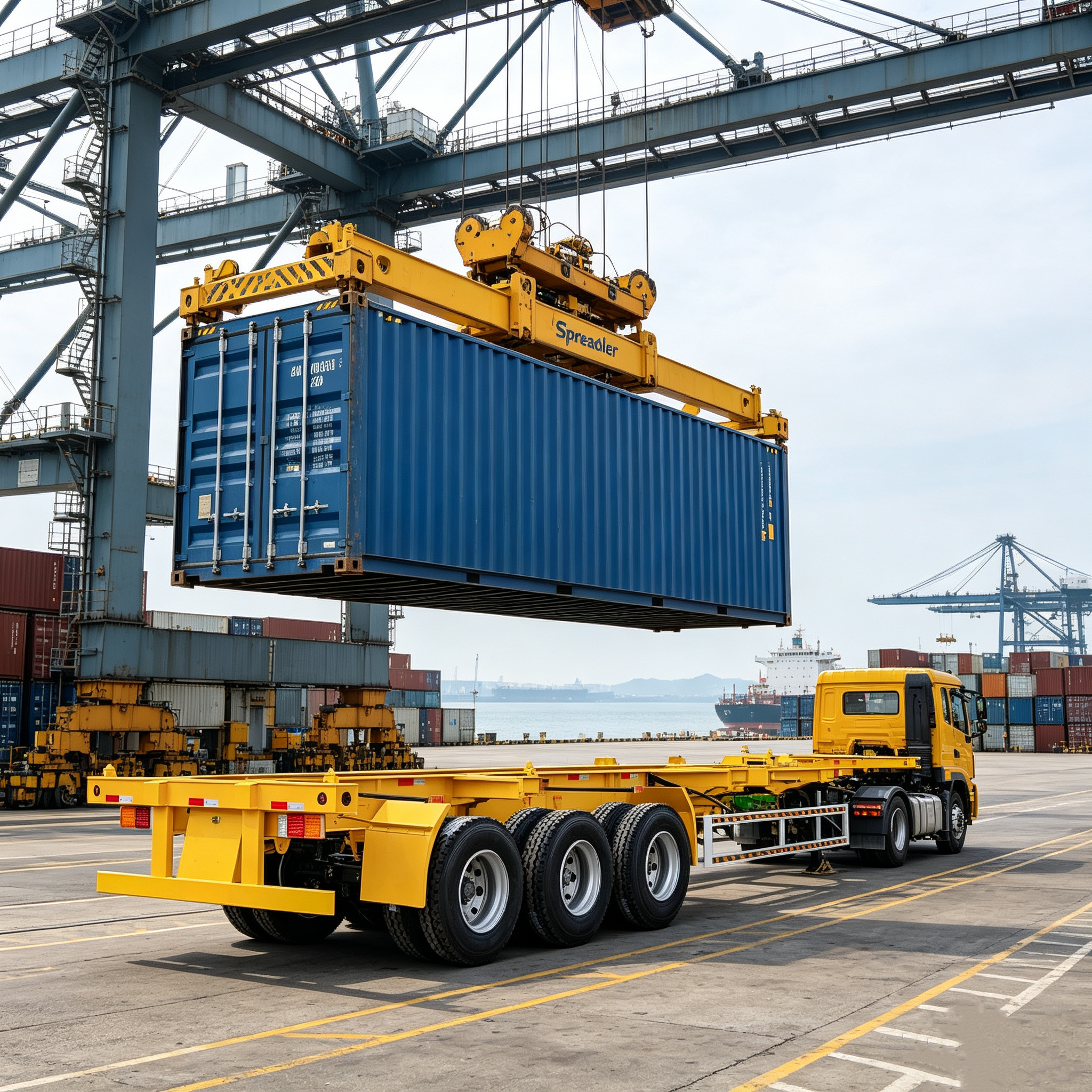
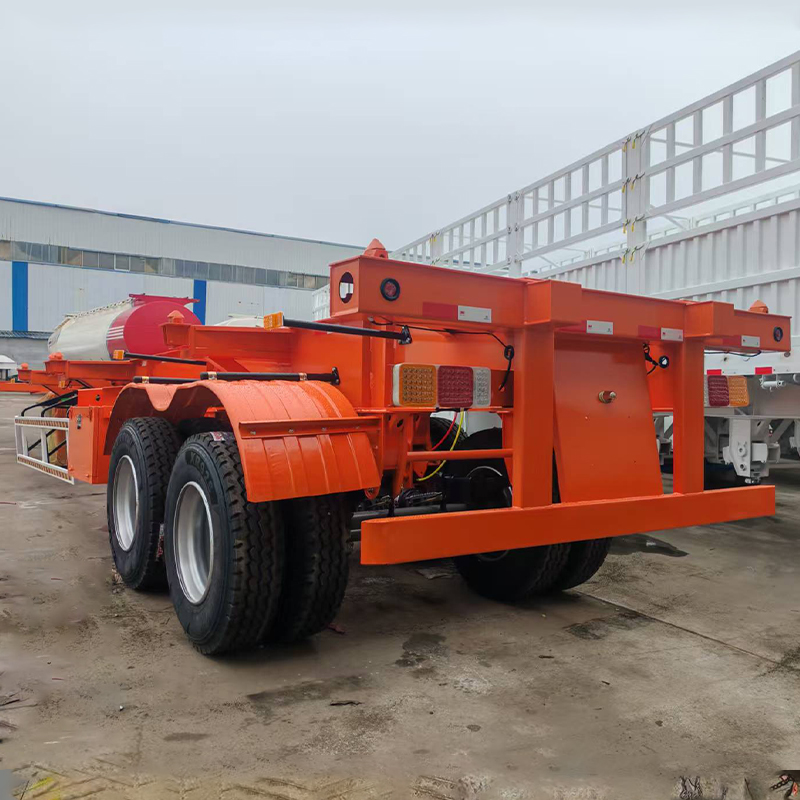
Karkasinė puspriekabė —taip pat vadinama konteinerio važiuoklės tipo priekaba arba žąsies kaklo konteinerio priekaba —yra šasis, suprojektuota vežti ISO konteinerius. Skirtingai nuo plokščių priekabų, ji neturi pilno denio: tik plieninės konstrukcijos su sukimosi užraktais, kurie fiksuoja konteinerio keturis kampinius lietuvus pagal ISO 1161 standartą. Tokia konstrukcija sumažina tuščios masės svorį ir maksimaliai padidina naudingąją krovinio apkrovą. 40 pėdų konteineriui priekaba paprastai turi 2 arba 3 ašis, o karališkojo piršto vieta pritaikyta penktajam ratui.
Trys privalumai padaro skeleto puspriekabę pramonės numatytąją pasirinkimo priemonę konteinerių vežimui:
1.Didesnė naudingosios apkrovos grąža —nėra denio – todėl mažesnė tuščios masės svoris; kiekvienas ištaisytas kilogramas verčiamas į krovinio pajamas.
2.Greitesnį atsakymo laiką —sukimosi užraktai leidžia užkrauti ar nuleisti konteinerį per minutes, taip sutrumpinant laukimo laiką uostuose, kur už kavos laikymą taikomos valandinės baudos.
3.Daugiakonteinerių lankstumas —vienas šasis gali aptarnauti 20 pėdų, 40 pėdų ir 45 pėdų konteinerius, apsaugant parko grąžą visų tipų konteineriams.
Praleidus šiuos patikrinimus greičiausias krovimas gali tapti brangiausia klaida.
Patikrinkite visus keturis sukamuosius užraktus dėl korozijos, deformacijos arba įstrigusio sukimosi. Kiekvienas užraktas turi pasisukti pilnu 90 ° į kampinį lizdą. Prieš krovinio įkrovimą pakeiskite pažeistus vienetus —užrakintos konteinerinės priekabos judėjimas 80 km/val. yra neabejotinas reikalavimas.
Standartinio 40 pėdų konteinerio didžiausia bendroji masė yra 30 480 kg (67 200 svarų). Patikrinkite savo priekabos GVWR (bendrosios transporto priemonės masės vertinimą) ir ašių apkrovos rodiklius bei laikykites teisėtų ašių apkrovos ribų —kurios skiriasi priklausomai nuo šalies, dažniausiai 10 –12 t vienai ašiai Afrikoje ir Lotynų Amerikoje. Niekada neviršykite mažesnio iš dviejų nurodytų rodiklių.
Nustatykite padangų slėgį pagal šaltosios įpildymo specifikaciją, kurią gamintojas įspaudė į padangos šoninę sienelę, taip pat patikrinkite oro stabdžių reakciją ir ABS veikimą. Užkrauto 40 pėdų konteinerio priekabos masės centras pakyla —stabdymo našumas yra jūsų pagrindinis saugumo rezervas.
1 veiksmas —Užimkite padėtį lygioje vietoje. Pastatykite puspriekabę ant kietos, lygios vietos. Nuleiskite atramines kojas ir užblokuokite ratus, kad jie neišsirulztų.
2 veiksmas —Išlyginkite rėmą. Įsitikinkite, kad puspriekabės rėmas yra išlygintas, kad visi keturi kampiniai lizdai būtų vienodo aukščio.
3 veiksmas —Pakelkite konteinerį. Naudokite pakeliamąjį stiebą, šakutinį keltuvą su išplėtimu arba viršutinį keltuvą. Visą laiką laikykite konteinerį išlygintą.
4 veiksmas —Nuleiskite jį ant rėmo. Nuleiskite konteinerį taip, kad kiekvienas kampinis lizdas tiksliai atitiktų savo sukamąjį užraktą. Netikslus išdėstymas pažeidžia tiek lizdą, tiek užraktą.
Žingsnis 5 —Užrakinkite visus keturis sukamuosius užraktus. Kiekvieną užraktą pasukite 90 ° laipsnių ir patikrinkite, ar indikatorius (jei įmontuotas) rodo užrakintą padėtį. Tai svarbiausias žingsnis.
Žingsnis 6 —Dar kartą patikrinkite užraktų įsitempimą. Kiekvieną kampą traukite bandomajai arba vizualiai įsitikinkite, kad užrakto smeigtukas visiškai įsiterpia į lizdo skylę.
Žingsnis 7 —Sužinokite ir išbandykite. Prisijunkite prie penktojo rato ir oro linijų, pakelkite atramines kojas, tada atlikite stabdžių ir pakabos patikrinimą prieš išvykstant.
Žingsnis 8 —Užtikrinkite ir suvyniokite. Patikrinkite, kad krovinys neišsikištų, įsitikinkite, kad krovinys yra vienodai paskirstytas, ir laikykitės greičio apribojimų krovininėms priekaboms.
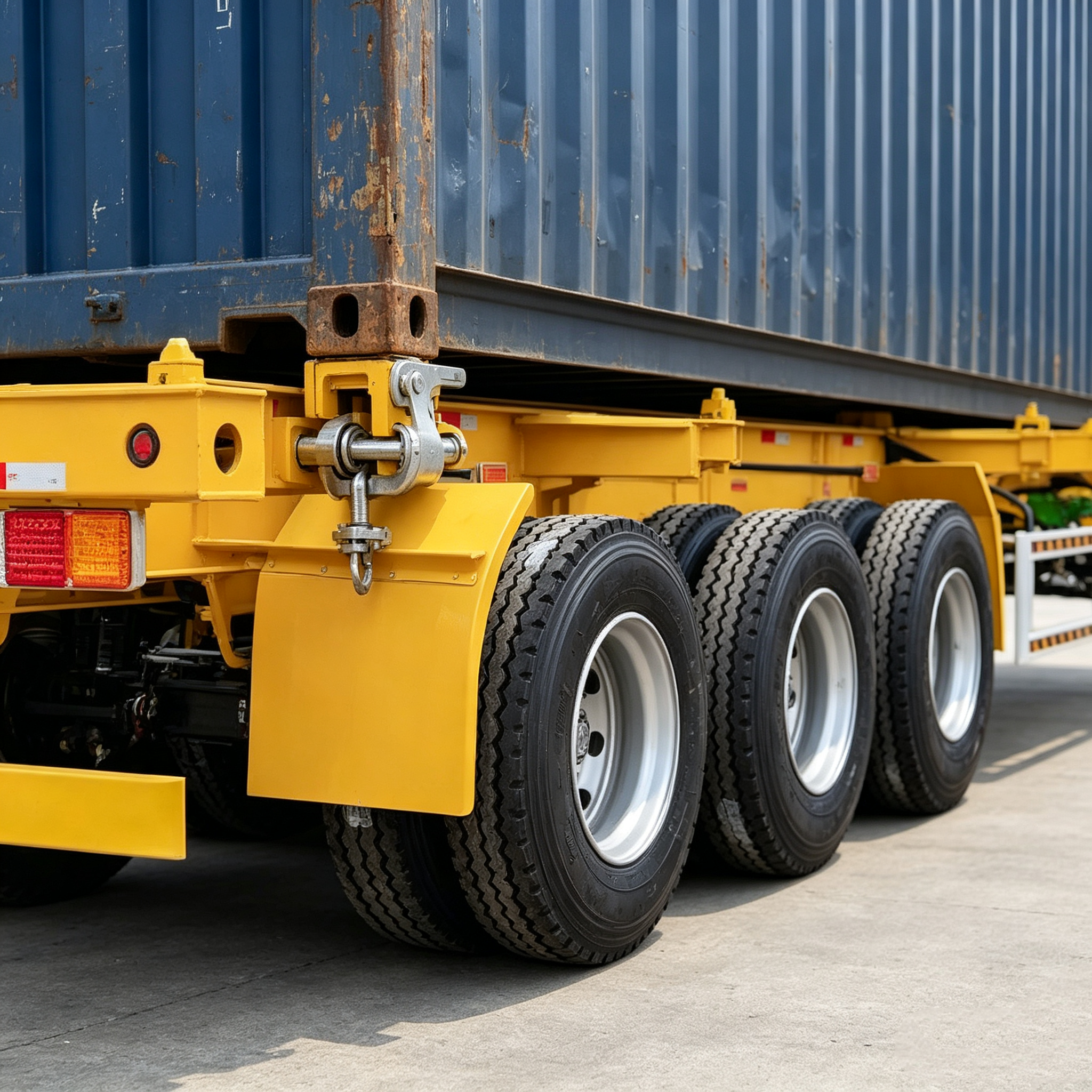
Klaida 1: Užrakinama mažiau nei keturi sukimosi užraktai. Vieno neprisukto kampo pakanka, kad konteineris pasislinktų stabdant. Visada užrakinkite visus keturis.
Klaida 2: Perkraunama virš GVWR. Per sunkus šasis greičiau susidėvi ir gali būti taikoma kelio bauda. Prieš išsiuntimą sverti.
Klaida 3: Netinkamas krovinio vietas. 40 pėdų konteineris turi būti centruotas ant karaliaus ašies geometrijos; per sunkus priekis destabilizuoja traktoriaus vairavimo ašį.
Klaida 4: Nepaisoma padangų pripūtimo. Nepakankamai supūtęs padangas ilgose kelionėse perkaista ir sprogsta —tai viena dažniausių konteinerių priekabų gedimų priežasčių.
Karkasinis puspriekabės tipas puikiai tinka trise aplinkose: jūrų uostų konteinerų terminaluose, kur dėžės perkeliamos nuo kranto į vartus; geležinkelio depuose, kur vyksta perkrovimas tarp traukinių ir kelių transporto; bei vidinėse logistikos aikštėse, kur tiekiamos prekės į sandėlius. Afrikoje ir Lotynų Amerikoje, kur kelių vežimas yra beveik kiekvieno importo paskutinis etapas, gerai techniškai apibrėžta karkasinė puspriekabė tiesiogiai sumažina logistikos sąnaudas vienam TEU. —šis rodiklis yra svarbiausias importuotojams optimizuoti.
Klausimas 1. Ar į karkasinę puspriekabę galima įkrauti 40 pėdų konteinerį? Taip —tai yra jos pagrindinė projektavimo paskirtis. 40 pėdų dėžė yra 12 192 mm ilgio su kampiniais lizdais standartiniais ISO 1161 tarpais, kurie atitinka 40 pėdų klasės karkasinės konstrukcijos sukimosi užraktų išdėstymą.
Klausimas 2. Kiek tonų gali vežti karkasinė puspriekabė? Naudingoji krovinio apkrova priklauso nuo konfigūracijos: 3 ašių konstrukcija paprastai leidžia 35 –40 t naudingosios apkrovos, tačiau būtina laikytis mažesnio iš trijų ribojimų: visos masės leistinosios apkrovos (GVWR), ašių leistinos apkrovos ar vietos teisės aktų ribojimų (dažniausiai 10 –12 t vienai ašiai Afrikoje/Lotynų Amerikoje).
Klausimas 3. Ar man reikia specialios puspriekabės 40 pėdų konteineriams? Taip —konteineriui pritaikytas šasis su sukamosiomis užrakto įtaisais. Plokščiasis priekabos tipas gali vežti konteinerį tik papildomai pritvirtinus, kas yra lėčiau ir mažiau saugu.
Klausimas 4. Kiek laiko trunka konteinerio pakrovimas ant skeleto priekabos? Naudojant pasiekimo keltuvą ir patyrusį operatorių – 5 –10 minučių, įskaitant užraktų patikrinimus. Sukamųjų užraktų sistema suprojektuota greičiui.
Klausimas 5. Kokia skirtumo tarp skeleto ir plokščiojo puspriekabio? Skeletas turi sukamuosius užraktus ir neturi denio, todėl yra specialiai sukurtas konteineriams vežti; plokščiasis puspriekabis turi visą denį bendrosios paskirties kroviniams. Konteinerių naudingumo atžvilgiu skeletas pranašesnis dėl mažesnio tuščio svorio ir greitesnio apsukimo laiko.
Saugus 40 pėdų konteinerio įkrovimas ant skeleto puspriekabės priklauso nuo trijų įpročių: patikrinkite sukimosi užraktus, laikykitės naudingosios krovinio apkrovos ribų ir niekada neskubėkite užrakinimo žingsnio. Jei įrengiate uosto parką ar plėtojate logistikos aikštę, palyginkite mūsų tiesioginės gamyklos skeleto puspriekabę [https://cms.xiaoman.cn/shop-api/siteInfo/preview?act=preview&id=175&type=content&site_template_id=5087&route=2-axles-40ft-skeleton-trailer] ir žąsies kaklo puspriekabę [https://cms.xiaoman.cn/shop-api/siteInfo/preview?act=preview&id=223&type=content&site_template_id=5087&route=3-axle-lowbed-semi-trailer-with-mechanical-spring-ladder] —abi pagamintos pagal ISO konteinerių standartus, minimalus užsakymo kiekis – 1 vienetas, garantija – 1 metai. Gaukite gamyklinę kainą jau šiandien.
 ŠILTA NAUJIENA
2026-09-30
2026-08-31
2026-08-17
2026-07-17
2026-07-02
2026-06-25

Copyright © CD TRUCK LIMITED - SLAPUMO POLITIKA
 EN
EN