تحميل مقطورة شبه مقطورة هيكلية بحاوية مقاس ٤٠ قدمًا يُعَدُّ عملية روتينية، لكنها في الوقت نفسه حاسمة من حيث السلامة في الموانئ ومحطات السكك الحديدية وأماكن اللوجستيات. وبما أن أكثر من ٩٠٪ من التجارة العالمية تتم عبر البحر، فإن الحاوية القياسية الدولية (آيزو) مقاس ٤٠ قدمًا تُعَدُّ العمود الفقري للوجستيات الدولية. —أما المقطورة شبه المقطورة الهيكلية فهي الشريك الأكفأ لها على الطرق. فإذا أُنجزت العملية بشكل سليم، فإنها تستغرق دقائق معدودة؛ أما إذا أُهمِلت أو أُنجزت بغير اهتمام، فقد تعرّض البضاعة للتلف، وتؤدي إلى إجهاد هيكل المقطورة، بل وقد تتسبب في حوادث طرق. ويشرح هذا الدليل كل خطوة من خطوات العملية، بدءًا من الفحوصات السابقة للتحميل وانتهاءً بإجراءات السلامة النهائية على الطرق.
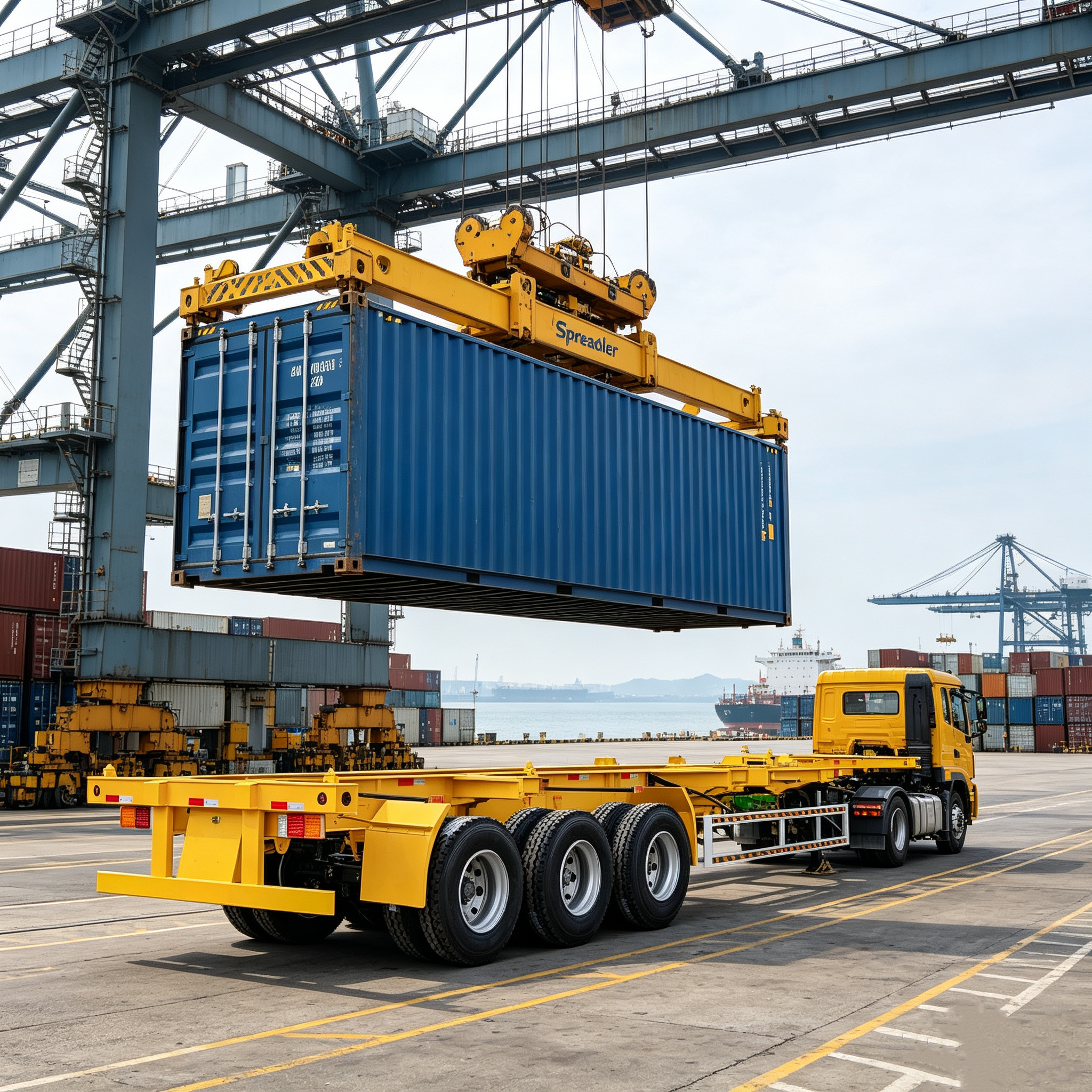
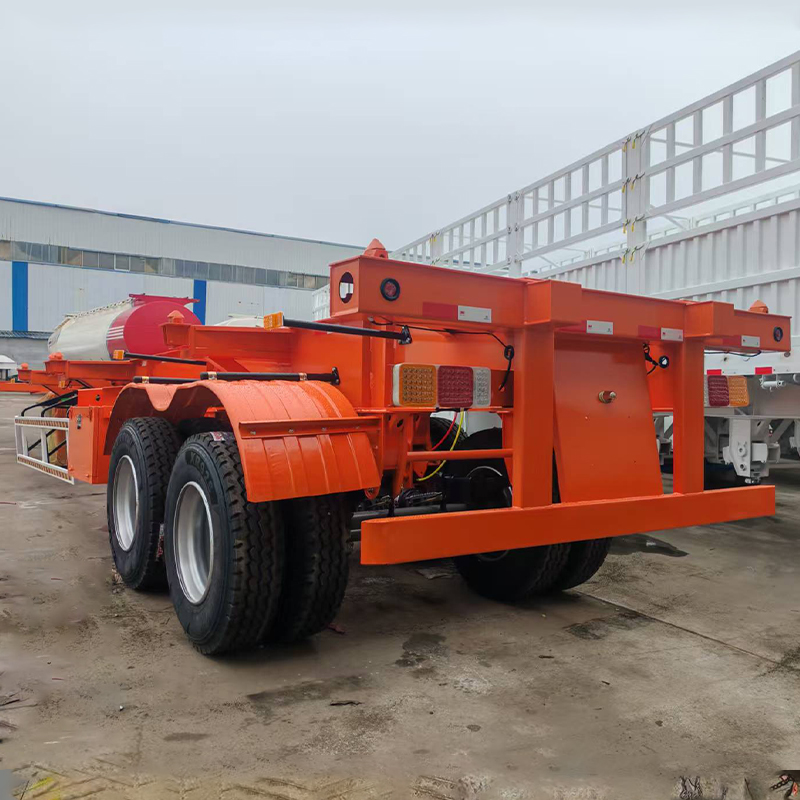
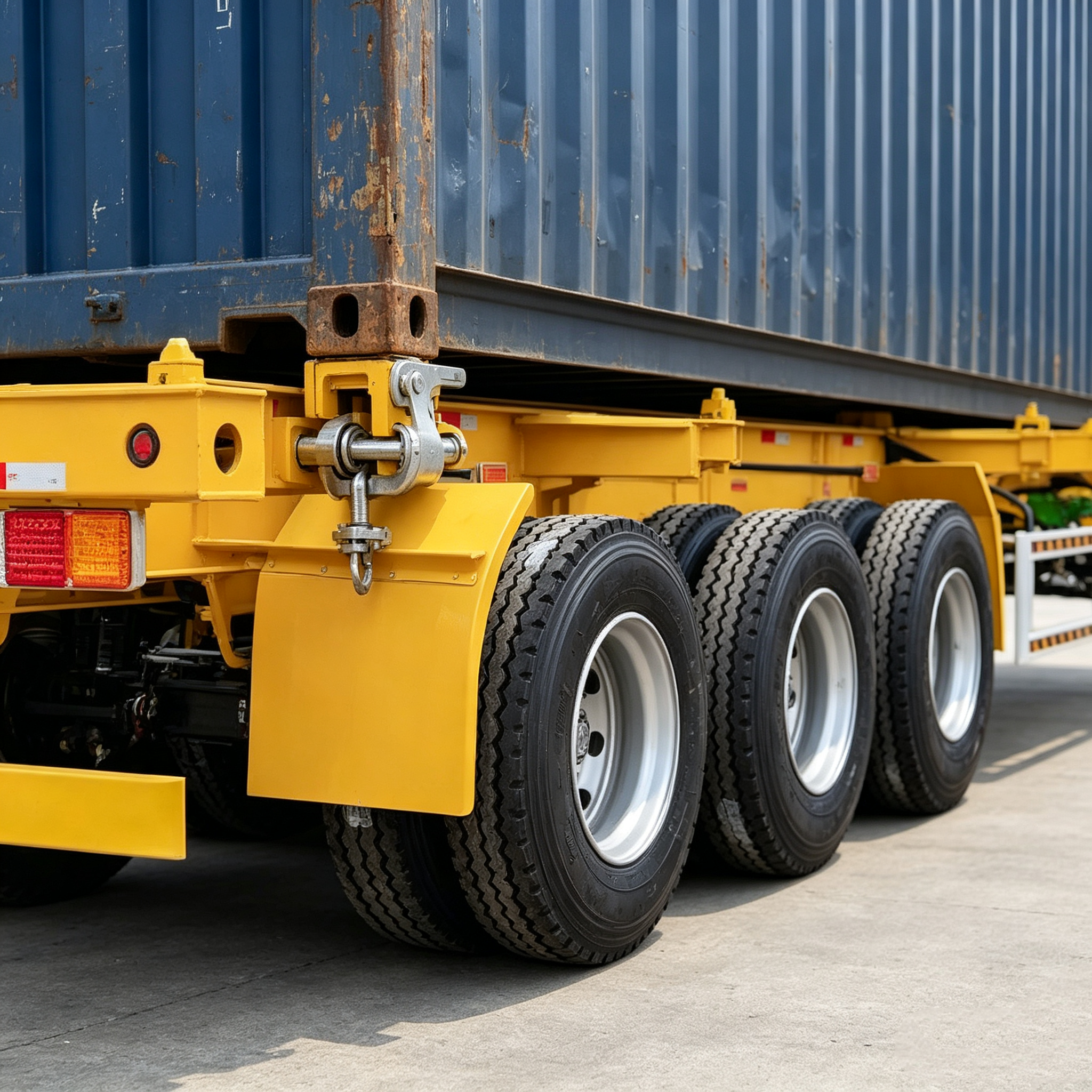
المقطورة شبه المقطورة الهيكلية —ويُشار إليها أيضًا باسم مقطورة هيكل الحاويات أو مقطورة الحاويات ذات الرقبة الإوزية —هو هيكل مصمم لحمل حاويات الشحن القياسية وفقًا للمواصفة القياسية الدولية (آيزو). وعلى عكس المقطورة المسطحة، لا يحتوي على سطح كامل؛ بل يتكون فقط من إطار فولاذي مزود بأقفال دوارة تُثبِّت الزوايا الأربع للحاوية وفقًا للمواصفة القياسية الدولية ١١٦١. ويؤدي هذا التصميم إلى خفض الوزن الفارغ وزيادة الحمولة القصوى المسموح بها. وللحاوية بطول ٤٠ قدمًا، تكون المقطورة عادةً ذات محورين أو ثلاثة محاور، مع وجود دبوس رئيسي موضعه مناسب لتوصيلها بنظام العجلة الخامسة.
توجد ثلاث مزايا تجعل المقطورة شبه المفصلية ذات الهيكل العظمي الخيار القياسي في القطاع لنقل الحاويات:
1.عائد أعلى على الحمولة —غياب السطح يعني وزنًا فارغًا أقل؛ وكل كيلوجرام يتم توفيره يتحول مباشرةً إلى إيرادات من البضاعة المنقولة.
2.دورة أسرع —تتيح الأقفال الدوارة تحميل الحاوية أو إنزالها خلال دقائق، مما يقلل من وقت التوقف في الموانئ حيث تُفرض رسوم التأخير بالساعة.
3.المرونة في نقل حاويات متعددة —يُمكن استخدام هيكل واحد لنقل حاويات بمقاسات ٢٠ قدمًا و٤٠ قدمًا و٤٥ قدمًا، ما يحمي العائد الاستثماري للأسطول عبر مختلف أنواع الحاويات.
تجاهل هذه الفحوصات يجعل أسرع عملية تحميل أ costly خطأً باهظ الثمن.
افحص جميع أقفال الدوران الأربعة بحثًا عن التآكل أو التشوه أو انسداد الحركة الدورانية. ويجب أن يدور كل قفل دورة كاملة مقدارها ٩٠ درجة ° إلى داخل القالب الزاوي. واستبدل الوحدات التالفة قبل تحميل الحاوية المغلقة. —ومن غير المسموح به إطلاقًا نقل حاوية مقفلة بسرعة ٨٠ كم/ساعة.
تبلغ أقصى وزن إجمالي لحاوية قياسية طولها ٤٠ قدمًا ٣٠٤٨٠ كغ (٦٧٢٠٠ رطلاً). وتأكد من تصنيف الوزن الإجمالي المسموح للمركب (GVWR) الخاص بمقطورتك وتصنيفات المحاور، واحترم حدود الأحمال القانونية للمحور، —والتي تختلف من بلد إلى آخر، وتتراوح عادةً بين ١٠ –و١٢ طنًا لكل محور في أفريقيا وأمريكا اللاتينية. ولا تتجاوز أبدًا التصنيف الأدنى من بين هذين التصنيفين.
اضبط ضغط الإطارات وفق مواصفات التضخيم البارد المطبوعة على الجدار الجانبي، وتحقق من استجابة فرامل الهواء ووظيفة نظام الفرملة المانع للانزلاق (ABS). ويرفع تحميل صندوق طوله ٤٠ قدمًا مركز ثقل المقطورة. —أداء الكبح هو هامش السلامة الرئيسي لديك.
الخطوة 1 —وقف المقطورة على أرض مستوية. صفِّ المقطورة على أرض صلبة ومستوية. شغِّل الدعامات الهابطة وثبِّت العجلات باستخدام كتل خشبية لمنع الانزلاق.
الخطوة 2 —حاذا إطار الهيكل. تأكَّد من أن هيكل المقطورة أفقيٌّ بحيث تكون جميع القواعد الزاوية الأربعة على ارتفاع متساوٍ.
الخطوة 3 —ارفع الحاوية. استخدم رافعة متعددة الاستخدامات (ريتش ستاكر)، أو رافعة شوكية مزوَّدة بمقبض توزيع، أو رافعة جسرية. احرص على بقاء الحاوية في وضع أفقي طوال عملية الرفع.
الخطوة 4 —أنزل الحاوية على الهيكل. وجِّه الحاوية للأسفل بحيث تتماشى كل قاعدة زاوية بدقة مع قفل التدوير المقابل لها. يؤدي عدم المحاذاة إلى إتلاف القواعد الزاوية وأقفال التدوير معًا.
الخطوة 5 —أحكم إغلاق الأربعة أقفال تدوير. دوِّر كل قفل بمقدار ٩٠ درجة ° وتثبَّت من ظهور مؤشر الإغلاق (إن وُجد) الذي يدل على أن القفل مغلق تمامًا. وهذه الخطوة هي الأهم على الإطلاق.
الخطوة 6 —تحقَّق مرتين من التثبيت. اجرِ اختبار سحب خفيف عند كل زاوية، أو تأكَّد بصريًّا من أن دبوس القفل قد دخل بالكامل في فتحة القاعدة الزاوية.
الخطوة 7 —اتّصل واختبر. وصّل العجلة الخامسة وخطوط الهواء، وارفع الدعامات المساندة، ثم نفّذ اختبار الفرامل والتعليق قبل المغادرة.
الخطوة 8 —ثبّت وانقل. تأكّد من عدم بروز أي حمولة، وتأكد من أن التحميل موزَّعٌ بالتساوي، واحترم حدود السرعة المحددة للمقطورات المحملة.
الخطأ الأول: تثبيت أقل من أربعة أقفال دوّارة. إن فتح زاوية واحدة فقط يسمح للحاوية بالانزياح أثناء الكبح. ثبّت دائمًا الأربعة جميعها.
الخطأ الثاني: التحميل الزائد عن الحد الأقصى للوزن الإجمالي المسموح (GVWR). يؤدي الوزن الزائد على الهيكل إلى تسريع إجهاد الإطار ويتسبب في غرامات طرقيّة. قِس الوزن قبل الإرسال.
الخطأ الثالث: وضع الحمولة غير المركزية. يجب أن تقع الحاوية الطويلة ٤٠ قدمًا في مركز هندسة عمود التوصيل؛ فالحمولات الثقيلة في المقدمة تُخلّ باستقرار محور القيادة الخاص بالجرار.
الخطأ الرابع: تجاهل ضغط هواء الإطارات. ترتفع حرارة الإطارات غير الممتلئة كافياً وتتمزّق أثناء الرحلات الطويلة. —وهو سبب رئيسي لتعطل مقطورات الحاويات.
يتميَّز مقطورة الهيكل شبه المقطورة في ثلاث بيئات: محطات حاويات الموانئ البحرية التي تنقل الصناديق من الرصيف إلى البوابة؛ ومحطات السكك الحديدية التي تُجري عمليات التحويل بين القطار والطرق؛ والمستودعات اللوجستية الداخلية التي تُغذّي المخازن. وفي إفريقيا وأمريكا اللاتينية، حيث يشكِّل النقل البري المرحلة الأخيرة في ما يقرب من جميع الواردات، فإن مقطورة الهيكل شبه المقطورة المُصمَّمة جيدًا تقلِّل مباشرةً التكلفة اللوجستية لكل وحدة تكافؤ حاوية (TEU). —وهي المعيار الذي تسعى إليه شركات الاستيراد لتحسينه.
السؤال ١: هل يمكن تحميل حاوية بطول ٤٠ قدمًا على مقطورة هيكل شبه مقطورة؟ نعم. —فهذه هي الغاية الأساسية من تصميمها. ويبلغ طول الحاوية بطول ٤٠ قدمًا ١٢١٩٢ ملم، مع وجود أقواس زاوية عند المسافات القياسية وفق المواصفة الدولية ISO 1161، وهي متوافقة مع ترتيب أقفال الدوران في هيكل مقطورة الهيكل شبه المقطورة المصمَّم لحاويات بطول ٤٠ قدمًا.
السؤال ٢: كم طنًا يمكن أن تحملها مقطورة هيكل شبه مقطورة؟ يعتمد الحمولة الفعلية على التكوين: فالمقطورة ذات الهيكل الثلاثي المحاور توفر عادةً حمولة تتراوح بين ٣٥ و٤٠ طنًا، لكن يجب الالتزام بالحد الأدنى بين الوزن الإجمالي المسموح به للمركبة (GVWR)، والتصنيفات المسموحة للمحور، والحدود القانونية المحلية (والتي تكون عادةً بين ١٠ و١٢ طنًا لكل محور في إفريقيا وأمريكا اللاتينية). –السؤال ٢: كم طنًا يمكن أن تحملها مقطورة هيكل شبه مقطورة؟ يعتمد الحمولة الفعلية على التكوين: فالمقطورة ذات الهيكل الثلاثي المحاور توفر عادةً حمولة تتراوح بين ٣٥ و٤٠ طنًا، لكن يجب الالتزام بالحد الأدنى بين الوزن الإجمالي المسموح به للمركبة (GVWR)، والتصنيفات المسموحة للمحور، والحدود القانونية المحلية (والتي تكون عادةً بين ١٠ و١٢ طنًا لكل محور في إفريقيا وأمريكا اللاتينية). –السؤال ٢: كم طنًا يمكن أن تحملها مقطورة هيكل شبه مقطورة؟ يعتمد الحمولة الفعلية على التكوين: فالمقطورة ذات الهيكل الثلاثي المحاور توفر عادةً حمولة تتراوح بين ٣٥ و٤٠ طنًا، لكن يجب الالتزام بالحد الأدنى بين الوزن الإجمالي المسموح به للمركبة (GVWR)، والتصنيفات المسموحة للمحور، والحدود القانونية المحلية (والتي تكون عادةً بين ١٠ و١٢ طنًا لكل محور في إفريقيا وأمريكا اللاتينية).
السؤال ٣: هل أحتاج إلى مقطورة خاصة لحاويات بطول ٤٠ قدمًا؟ نعم. —هيكل شاسية مُصنَّف لحمل الحاويات ومزوَّد بأقفال لولبية. أما المقطورة المسطحة فهي قادرة على حمل الحاوية فقط باستخدام أشرطة تثبيت إضافية، وهي عملية أبطأ وأقل أمانًا.
السؤال ٤: كم يستغرق تحميل حاوية على مقطورة هيكلية؟ مع رافعة متعددة الاستخدامات وعامل محترف، فإن المدة تتراوح بين ٥ و١٠ دقائق. –وتشمل هذه المدة فحص عمليات القفل. وقد صُمِّم نظام الأقفال اللولبية لتحقيق السرعة.
السؤال ٥: ما الفرق بين المقطورة الهيكلية والمقطورة المسطحة نصف المقطورة؟ المقطورة الهيكلية مزودة بأقفال لولبية ولا تحتوي على سطح تحميل، وهي مصممة خصيصًا لنقل الحاويات؛ أما المقطورة المسطحة فلها سطح تحميل كامل لنقل البضائع العامة. ومن حيث العائد على الاستثمار بالنسبة للحاويات، تتفوق المقطورة الهيكلية من حيث وزنها الفارغ وسرعة دورتها التشغيلية.
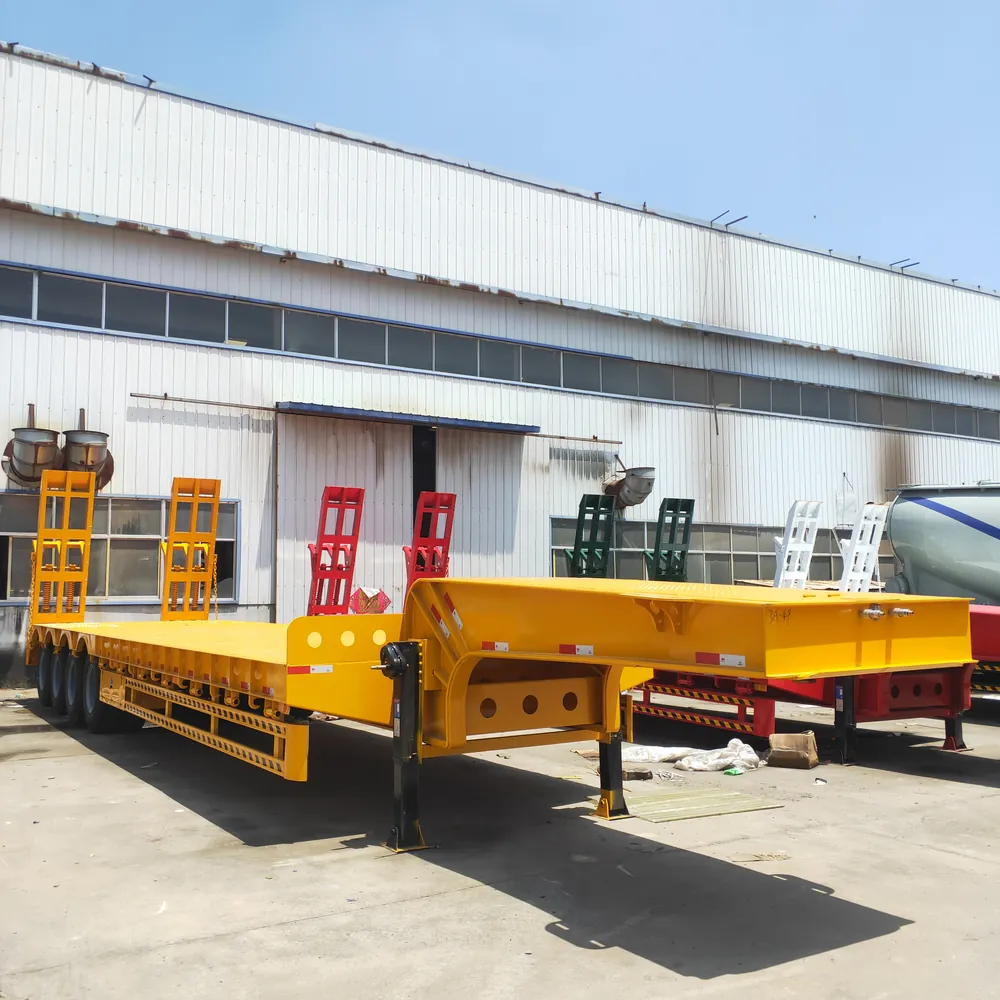
يَعتمد تحميل حاوية بطول ٤٠ قدمًا بأمان على مقطورة شبه مكشوفة من نوع السقالة على ثلاث عادات: التحقق من أقفال الالتواء، والالتزام بحدود الحمولة المسموحة، وعدم التسرع في خطوة تثبيت الحاوية. وإذا كنت تُجهِّز أسطولًا مينائيًّا أو توسِّع ساحة لوجستية، فقارن بين مقطورتنا الشبه مكشوفة من نوع السقالة المُنتَجة مباشرةً من المصنع [https://cms.xiaoman.cn/shop-api/siteInfo/preview?act=preview&id=175&type=content&site_template_id=5087&route=2-axles-40ft-skeleton-trailer] والمقطورة الشبه مكشوفة ذات العنق الإوزي [https://cms.xiaoman.cn/shop-api/siteInfo/preview?act=preview&id=223&type=content&site_template_id=5087&route=3-axle-lowbed-semi-trailer-with-mechanical-spring-ladder] —وكلا المقطورتين مُصنَّعتان وفق معايير الحاويات القياسية الدولية (ISO)، وبحد أدنى للكمية المطلوبة يساوي وحدة واحدة، مع ضمان لمدة سنة واحدة. احصل اليوم على عرض أسعار مباشر من المصنع.
 أخبار عاجلة
2026-09-30
2026-08-31
2026-08-17
2026-07-17
2026-07-02
2026-06-25

Copyright © CD TRUCK LIMITED - سياسة الخصوصية
 EN
EN