 EN
EN

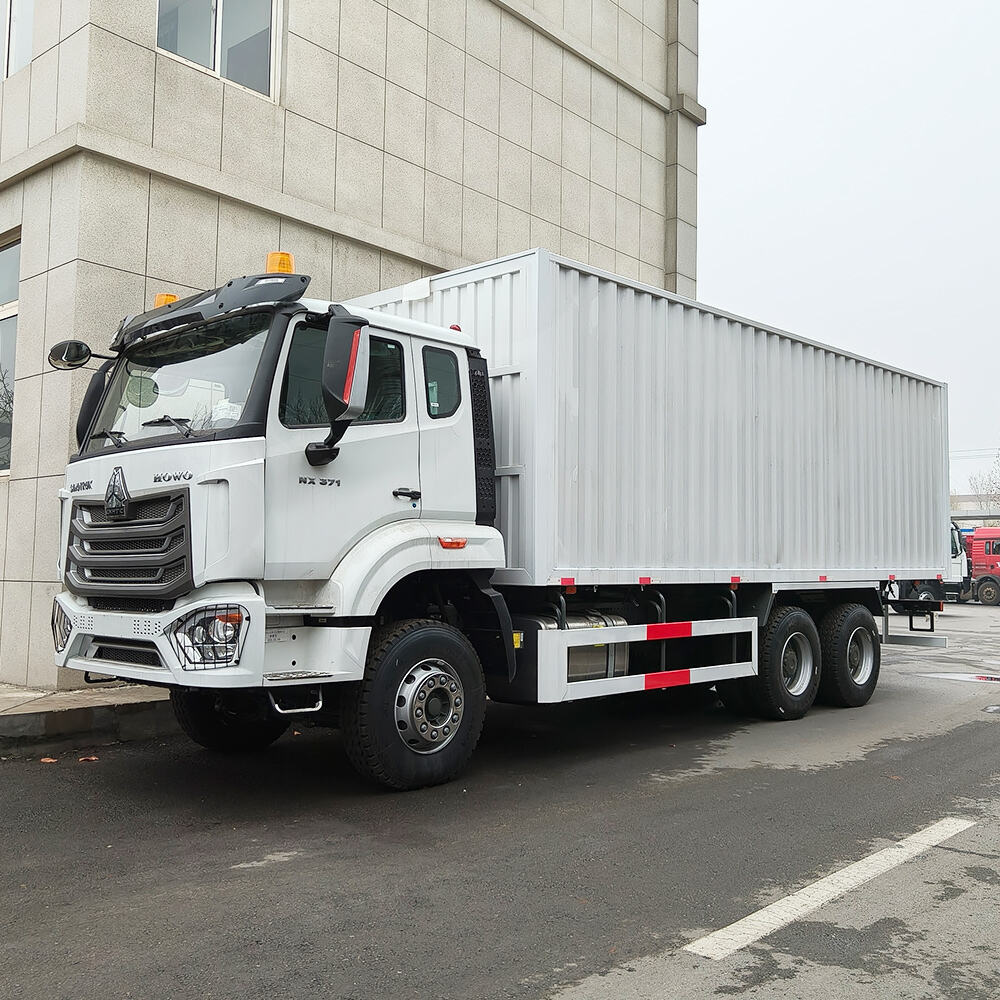
Modern maßgeschneiderte Lkw-Modelle integrieren unterschiedliche Antriebsstränge – Diesel, elektrisch, Hybrid – sowie Hunderte miteinander verbundener elektronischer Steuergeräte. Diese Komplexität stellt eine Herausforderung für die Diagnose dar: Ein einziger Fehler kann sich auf Systeme wie Bremsen, Abgasnachbehandlung und Getriebe auswirken. KI-gestützte Diagnosesysteme bewältigen diese Aufgabe, indem sie Sensordaten über alle Teilsysteme hinweg korrelieren und die eigentlichen Ursachen statt nur die Symptome identifizieren. Diese Systeme priorisieren Reparaturen anhand von Echtzeit-Nutzungsmustern des Fahrzeugs – beispielsweise schwere Lasten oder längere Leerlaufphasen – und reduzieren so Ausfallzeiten sowie Fehldiagnosen. Das Ergebnis ist eine schnellere und genauere Fehlersuche, die Sonderfahrzeuge für Lkw länger betriebsbereit hält.
Umgang mit der Vielfalt der Antriebsstränge und der Interdependenz mehrerer Systeme
Individuelle Lkw-Modelle kombinieren häufig einzigartige Antriebskonfigurationen mit Aftermarket-Umrüstungen, wodurch voneinander abhängige Systeme entstehen, die herkömmliche Diagnosetools nur schwer interpretieren können. So kann beispielsweise ein Getriebefehler tatsächlich auf einen defekten Abgassensor zurückzuführen sein oder ein Problem mit dem Batteriemanagement sich als Leistungsreduzierung des Antriebsstrangs bemerkbar machen. KI-Plattformen überwinden diese Herausforderung, indem sie Quersystemkorrelationen analysieren und einen digitalen Zwilling des Fahrzeugverhaltens erstellen. Sie erkennen Kettenfehler – bei denen die Fehlfunktion einer Komponente mehrere Diagnosefehlercodes auslöst – und empfehlen die effektivste Reparaturreihenfolge. Durch die Automatisierung der Fehlercode-Interpretation ermöglicht die KI Technikern, sich auf die Reparatur statt auf Spekulationen zu konzentrieren – ein entscheidender Vorteil angesichts des zunehmenden Mangels an qualifiziertem Fachpersonal.
Einsatz von Telematik und prädiktiver Analytik zur frühzeitigen Fehlererkennung
Telematiksysteme in maßgeschneiderten Lkw-Modellen übertragen kontinuierlich Daten von über 150 Bord-Sensoren – darunter Temperatur-, Vibrations- und Druckmesswerte – an cloudbasierte KI-Modelle. Diese Modelle vergleichen die aktuellen Daten mit historischen Mustern und flottenweiten Trends, um Ausfälle vor ihrem Eintreten vorherzusagen. So kann beispielsweise eine schrittweise Änderung des Bremskammerdrucks auf einen bevorstehenden Ausfall hindeuten und während eines geplanten Haltepunkts eine Wartungsbenachrichtigung auslösen. Predictive Analytics optimieren zudem den Ersatzteilbestand, indem sie die Nachfrage basierend auf streckenbezogenem Verschleiß und saisonbedingten Ausfällen prognostizieren. Dieser proaktive Ansatz verlagert die Wartung von reaktiven Reparaturen hin zu strategischer Planung und entspricht damit den Verfügbarkeitsanforderungen moderner Logistikbetriebe.
Wartung elektronischer Sicherheitssysteme für maßgeschneiderte Lkw-Modelle
Kalibrierung, Validierung und Fehlerbehebung von AEB- und ESC-Sensoren
Die Wartung von Systemen für die automatische Notbremsung (AEB) und die elektronische Stabilitätskontrolle (ESC) erfordert präzise Sensor-Kalibrierungsprotokolle. Diese sicherheitskritischen Komponenten unterliegen einer Kalibrierungsdrift aufgrund von Vibrationseinwirkungen bei beruflichen Anwendungen. Techniker müssen die Radar-Ausrichtung innerhalb einer Toleranz von 0,5 Grad sowie die LiDAR-Brennpunkte monatlich mithilfe der vom Hersteller vorgeschriebenen Diagnoseabläufe überprüfen. Zu den häufigsten Fehlermustern zählen Fehlauslösungen der Bremsfunktion durch angesammelten Straßen-Schmutz, Fehlinterpretationen der ESC bei Fahrten auf schrägen Fahrbahnen sowie CAN-Bus-Kommunikationsfehler bei extremen Temperaturen. Zur Behebung sind spezialisierte Scan-Tools erforderlich, die in der Lage sind, die Firmware der Subsysteme neu zu schreiben, ohne die vom Hersteller zertifizierten Sicherheitsstandards zu beeinträchtigen. Flottendaten zeigen, dass 92 % der Sensorfehler durch gezielte Neukalibrierung behoben werden können – statt durch Hardwareaustausch – sofern sie frühzeitig erkannt werden.
Sicherstellung der Echtzeit-Integration von Sicherheitssystemen über nachgerüstete Plattformen hinweg
Die Installation von Aftermarket-Ausrüstung erzeugt einzigartige Interoperabilitäts-Herausforderungen für Kollisionsvermeidungsarchitekturen. Verschiebungen der Gewichtsverteilung durch Zusatzkrane oder Nutzfahrzeugaufbauten verändern die Reaktionskurven des elektronischen Stabilitätsprogramms (ESP), was eine dynamische Neukalibrierung erforderlich macht. Zu den bewährten Verfahren zählen die Durchführung einer Neukalibrierung der inertialen Mess-Einheit nach jeder Upfit-Modifikation, der Einsatz von Gateway-Modulen, die proprietäre CAN-Protokolle zwischen Fahrwerk und Zusatzsystemen übersetzen, sowie die Validierung der Notbremsassistent-(AEB)-Auslöseschwellen unter voll beladenen Bedingungen. Für eine Echtzeit-Leistung ist eine kontinuierliche Überwachung des CAN-Bus während Straßenversuchen erforderlich, wobei insbesondere auf die Nachrichtenlatenz zwischen Lenkwinkelsensoren und Stabilitätsreglern geachtet werden muss. Dadurch werden gefährliche Systemkonflikte verhindert, wenn individuell konfigurierte Lkw-Modelle mit ihrer maximalen zulässigen Gesamtmasse (zGM) betrieben werden.
Upfit-spezifische vorbeugende Wartung für individuell konfigurierte Lkw-Modelle
Wartung spezialisierter Ausrüstung ohne Beeinträchtigung der OEM-Integrität
Die präventive Wartung für Spezialausrüstung erfordert Verfahren, die sich von den Standardverfahren der Originalausrüster (OEM) unterscheiden. Techniker müssen nicht-invasive Diagnosewerkzeuge einsetzen, um Zusatzsysteme wie hydraulische Hebevorrichtungen oder Kühleinheiten zu überwachen, ohne werkseitig installierte Komponenten zu beeinträchtigen. Dadurch bleibt der Gewährleistungsanspruch erhalten und die funktionale Lebensdauer wird verlängert. So ermöglicht beispielsweise die Schwingungsanalyse die Erkennung von Unwuchten bei über die Abtriebswelle (PTO) angetriebenen Geräten, noch bevor diese auf Antriebskomponenten übergreifen. Geplante Schmierintervalle für fahrzeugspezifische Lager folgen den Herstellervorgaben und sind gleichzeitig mit den OEM-Wartungsplänen abgestimmt, um Ausfallzeiten zu minimieren. Eine solche Abstimmung reduziert vorzeitigen Verschleiß um 37 % im Vergleich zu nicht koordinierten Vorgehensweisen.
Ausrichtung an den regulatorischen Anforderungen für 2026 sowie an den Standards für Flottenzertifizierungen
Wartungsprogramme müssen die neuen Emissionsstandards und Sicherheitszertifizierungen für 2026 bereits bei der Serviceplanung berücksichtigen. Techniker überprüfen mithilfe herstellerzugelassener Diagnosegeräte, ob Nachbehandlungsmodifikationen den EPA-Phase-3-Grenzwerten für Treibhausgase entsprechen. Kalibrierungsdaten für sicherheitskritische Aufbauten – wie Kransicherheitssysteme – werden mittels Blockchain-Technologie digital archiviert, um Auditprozesse zu beschleunigen. Diese proaktive Dokumentation verhindert Zertifizierungsabläufe, die im Durchschnitt mit Bußgeldern in Höhe von 740.000 USD verbunden sind. Fuhrparkmanager sollten Compliance-Prüfpunkte mithilfe automatisierter Verfolgungssysteme in ihre geplanten Wartungsintervalle (PM) integrieren.
Häufig gestellte Fragen
Welche Vorteile bieten KI-gestützte Diagnosesysteme für maßgeschneiderte Lkw-Modelle?
KI-gestützte Diagnosesysteme verbessern die Fehlererkennung erheblich, indem sie Daten aus verschiedenen Subsystemen analysieren, Ursachen statt nur Symptome identifizieren und so Fehldiagnosen sowie Ausfallzeiten reduzieren.
Wie unterstützen Telematik und prädiktive Analysen die Wartung?
Telematik überträgt Echtzeitdaten von Bord-Sensoren an KI-Modelle, wodurch frühzeitige Fehlerprognosen ermöglicht und der Ersatzteilbestand durch prädiktive Analysen auf Basis von Trends und Nutzung optimiert werden.
Warum ist eine regelmäßige Kalibrierung für AEB- und ESC-Systeme wichtig?
Eine regelmäßige Kalibrierung stellt sicher, dass die Sensoren von AEB- und ESC-Systemen weiterhin präzise und wirksam bleiben, wodurch Fehlauslösungen minimiert und sicherheitskritische Funktionen bei individuell angepassten Lkw-Modellen verbessert werden.
Wie wird die präventive Wartung bei fahrzeugspezifischen Umrüstkomponenten durchgeführt?
Die präventive Wartung nutzt spezialisierte Diagnoseverfahren, um Zusatzsysteme wie hydraulische Hebevorrichtungen zu überwachen und deren Lebensdauer zu verlängern, ohne Originalausrüster-Komponenten zu beeinträchtigen oder Garantien zu entwerten.
Welche Schritte gewährleisten die Einhaltung der regulatorischen Standards für 2026?
Die Einhaltung umfasst die Verwendung herstellerzugelassener Diagnosetools, die Archivierung von Kalibrierungsdaten mittels Blockchain sowie die Integration automatisierter Compliance-Prüfpunkte in die Wartungspläne.
Inhaltsverzeichnis
- Umgang mit der Vielfalt der Antriebsstränge und der Interdependenz mehrerer Systeme
- Einsatz von Telematik und prädiktiver Analytik zur frühzeitigen Fehlererkennung
- Wartung elektronischer Sicherheitssysteme für maßgeschneiderte Lkw-Modelle
- Upfit-spezifische vorbeugende Wartung für individuell konfigurierte Lkw-Modelle
-
Häufig gestellte Fragen
- Welche Vorteile bieten KI-gestützte Diagnosesysteme für maßgeschneiderte Lkw-Modelle?
- Wie unterstützen Telematik und prädiktive Analysen die Wartung?
- Warum ist eine regelmäßige Kalibrierung für AEB- und ESC-Systeme wichtig?
- Wie wird die präventive Wartung bei fahrzeugspezifischen Umrüstkomponenten durchgeführt?
- Welche Schritte gewährleisten die Einhaltung der regulatorischen Standards für 2026?