 EN
EN

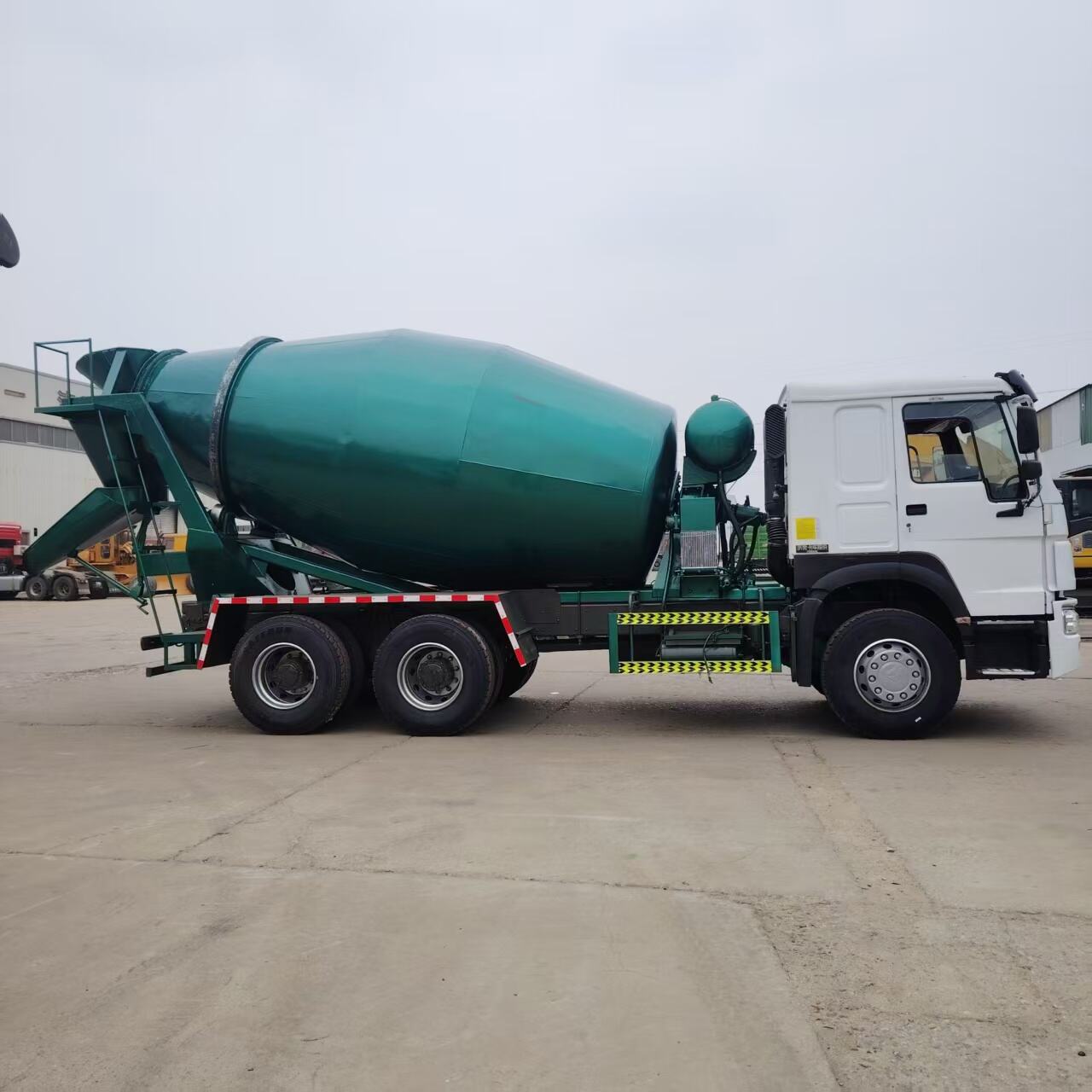
การผสานรวมระบบเทเลเมติกส์อัจฉริยะเพื่อยกระดับประสิทธิภาพของรถบรรทุกผสมคอนกรีตแบบเรียลไทม์
การติดตามตำแหน่งด้วย GPS, เซ็นเซอร์ตรวจวัดน้ำหนักบรรทุก และการจัดสรรงานแบบไดนามิก เพื่อลดเวลาเครื่องยนต์เดินเบาและการส่งมอบล่าช้า
การติดตามตำแหน่งแบบเรียลไทม์ด้วย GPS ช่วยให้ผู้ควบคุมการจัดสรรงานสามารถเปลี่ยนเส้นทางรถบรรทุกผสมคอนกรีตหลีกเลี่ยงปัญหาการจราจรติดขัดหรือความล่าช้าจากงานก่อสร้าง—ซึ่งช่วยลดเวลาเครื่องยนต์เดินเบาที่โรงงานผลิตคอนกรีตและป้องกันการส่งมอบล่าช้า เซ็นเซอร์ตรวจวัดน้ำหนักบรรทุกที่ผสานเข้ากับระบบตรวจสอบน้ำหนักถังผสมและอัตราการหมุน ยืนยันว่าแต่ละชุดคอนกรีตตรงตามข้อกำหนดก่อนออกเดินทาง อัลกอริทึมการจัดสรรงานแบบไดนามิกนำข้อมูลเหล่านี้มารวมกันเพื่อกำหนดหมายงานให้กับหน่วยงานที่ว่างอยู่และอยู่ใกล้ที่สุด ทำให้ฝูงยานตอบสนองได้อย่างมีประสิทธิภาพสูงสุดโดยไม่กระทบต่อคุณภาพของส่วนผสมคอนกรีต สำหรับ รถบรรทุกเครื่องผสมคอนกรีต สำหรับผู้ประกอบการ การบูรณาการนี้ส่งผลโดยตรงต่อระยะเวลาการส่งมอบที่กระชับขึ้น การประหยัดเชื้อเพลิง และการลดการปฏิเสธสินค้าที่เกี่ยวข้องกับคุณภาพ จากการศึกษาวิจัยที่ได้รับการตรวจสอบโดยผู้เชี่ยวชาญเกี่ยวกับการดำเนินงานของกองยานพาหนะขนาดใหญ่ พบว่าโปรโตคอลที่ขับเคลื่อนด้วยระบบเทเลเมติกส์ช่วยลดเวลาหยุดทำงานโดยไม่คาดคิดได้ประมาณ 33% ซึ่งเน้นย้ำถึงความน่าเชื่อถือในการดำเนินงาน
แพลตฟอร์มบริหารจัดการกองยานพาหนะที่ขับเคลื่อนด้วยปัญญาประดิษฐ์ (AI) (Geotab, GuardDog Connect) สำหรับการจัดการความพร้อมใช้งานเชิงพยากรณ์
แพลตฟอร์มที่ขับเคลื่อนด้วยปัญญาประดิษฐ์ (AI) อย่างเช่น Geotab และ GuardDog Connect ยกระดับระบบเทเลเมติกส์จากงานตรวจสอบไปสู่การคาดการณ์ล่วงหน้า โดยการวิเคราะห์ภาระการทำงานของเครื่องยนต์ รูปแบบการหมุนของกลองผสม แนวโน้มความดันไฮดรอลิก และรูปแบบการเบรกทั่วทั้งฝูงรถ ระบบทั้งหมดนี้สามารถตรวจจับความผิดปกติในระยะเริ่มต้น—เช่น รอบการเทวัสดุที่ไม่สม่ำเสมอ หรือการหยุดฉับพลันซ้ำๆ—ซึ่งมักเกิดก่อนความล้มเหลวของชิ้นส่วนทางกล ระบบจะส่งแจ้งเตือนเพื่อให้สามารถจัดตารางการบำรุงรักษาเชิงรุกได้ ลดเหตุการณ์รถเสียกลางทางที่ไม่ได้วางแผนไว้ให้น้อยที่สุด แนวทางเชิงพยากรณ์นี้ช่วยยืดอายุการใช้งานของชิ้นส่วน เพิ่มประสิทธิภาพในการปฏิบัติตามกำหนดเวลาการส่งมอบที่สำคัญต่อโครงการ และปรับปรุงการควบคุมต้นทุนรายปี—ซึ่งมีความสำคัญยิ่งโดยเฉพาะสำหรับรถบรรทุกผสมคอนกรีตที่ทำงานภายใต้ข้อจำกัดด้านอุณหภูมิและเวลาที่เข้มงวด
การเลือกความจุที่เหมาะสม: เหตุใดรถบรรทุกผสมคอนกรีตขนาดกลางจึงครองตลาดการดำเนินงานในปี 2026
การสมดุลระหว่างน้ำหนักบรรทุก ความสามารถในการขับขี่คล่องตัว และการเข้าถึงพื้นที่หน้างาน—ช่วงความจุที่เหมาะสมที่สุดคือ 6–9 ลูกบาศก์เมตร
การเลือกความจุที่เหมาะสมเป็นการตัดสินใจเชิงกลยุทธ์ ไม่ใช่เพียงแค่ข้อกำหนดด้านอุปกรณ์เท่านั้น รถบรรทุกผสมคอนกรีตขนาดกลาง (6–9 ลูกบาศก์เมตร) ถือเป็นทางเลือกที่สมดุลที่สุดระหว่างประสิทธิภาพในการบรรทุกและขีดความสามารถในการขับเคลื่อนในเขตเมือง ซึ่งสามารถขนส่งปริมาตรที่เพียงพอสำหรับงานเทคอนกรีตเชิงพาณิชย์ส่วนใหญ่ ขณะเดียวกันก็ยังคงรักษาความคล่องตัวในการเลี้ยว (radius การเลี้ยว) และความยืดหยุ่นของน้ำหนักที่กระจายลงบนเพลา ซึ่งจำเป็นสำหรับถนนแคบ ถนนชั่วคราวภายในไซต์งาน และไซต์งานที่มีความหนาแน่นสูง หน่วยขนาดเล็ก 4 ลูกบาศก์เมตรจะเพิ่มจำนวนเที่ยวขนส่ง—ส่งผลให้ค่าแรง ค่าน้ำมัน และความซับซ้อนในการวางแผนเพิ่มสูงขึ้น ขณะที่โมเดลขนาดใหญ่ 12 ลูกบาศก์เมตรมักประสบปัญหาข้อจำกัดด้านการเข้าถึงพื้นที่ ทำให้ต้องใช้วิธีการสูบและถ่ายโอนคอนกรีตแบบเสริมซึ่งมีต้นทุนสูง ในปี 2569 ที่ความหนาแน่นของการก่อสร้างในเขตเมืองเพิ่มขึ้น ช่วงความจุ 6–9 ลูกบาศก์เมตรจึงสามารถส่งมอบอัตราการดำเนินงานอย่างต่อเนื่องโดยไม่ลดทอนความคล่องตัวในการตอบสนอง
การเปรียบเทียบมาตรฐานเชิงพาณิชย์ในเขตเมือง: หน่วยขนาดกลางให้อัตราการใช้งานจริงในไซต์งานสูงกว่าหน่วยขนาดใหญ่ 61.2%
ข้อมูลภาคสนามจากโครงการพาณิชย์ในเขตเมืองจำนวน 27 โครงการทั่วอเมริกาเหนือและสหราชอาณาจักรยืนยันอย่างชัดเจนว่ารถบรรทุกขนาดกลางมีข้อได้เปรียบด้านประสิทธิภาพการปฏิบัติงานที่เด่นชัด รถบรรทุกประเภทนี้มีอัตราการใช้งานจริงในไซต์งานสูงกว่ารถบรรทุกขนาดใหญ่ถึง 61.2% — ซึ่งวัดจากเวลาเทคอนกรีตที่มีประสิทธิผลเทียบกับระยะเวลาทั้งหมดที่กำหนดให้อยู่ในไซต์งาน การเทวัสดุที่รวดเร็วกว่า การลดจำนวนครั้งที่ต้องปรับตำแหน่งรถ และการเข้าถึงจุดเทคอนกรีตโดยตรง คือปัจจัยหลักที่ทำให้เกิดความแตกต่างนี้ ตัวชี้วัดเปรียบเทียบด้านล่างสะท้อนมาตรฐานการปฏิบัติงานที่ได้รับการยืนยันแล้ว:
| เมตริก | ขนาดกลาง (6–9 ลูกบาศก์เมตร) | ขนาดใหญ่ (>9 ลูกบาศก์เมตร) |
|---|---|---|
| อัตราการใช้งานจริงในไซต์งาน | สูงกว่าค่าพื้นฐาน 61.2% | เส้นฐาน |
| เวลาเฉลี่ยในการเข้าถึงไซต์งาน | < 5 นาที | > 12 นาที |
| จำนวนเหตุการณ์ส่งมอบล่าช้าต่อไตรมาส | 3 | 8 |
หลักฐานเชิงประจักษ์นี้สนับสนุนหลักการปฏิบัติงานที่ชัดเจน: ในสภาพแวดล้อมที่มีความหนาแน่นสูง ความยืดหยุ่นและความเร็วมีความสำคัญมากกว่ากำลังการบรรทุกสุทธิ
การอัปเกรดระบบขับเคลื่อนและระบบควบคุมดิจิทัลเพื่อยกระดับประสิทธิภาพของรถบรรทุกผสมคอนกรีต
เครื่องยนต์ Cummins B6.7/MP7 พร้อมเกียร์อัตโนมัติ Allison MDrive สำหรับงานผสมคอนกรีตแบบแม่นยำ
รถบรรทุกผสมคอนกรีตสมัยใหม่ต้องการระบบขับเคลื่อนที่ออกแบบมาโดยเฉพาะเพื่อรองรับลักษณะการใช้งานแบบหยุด-เริ่มซ้ำๆ และต้องการแรงบิดสูงอย่างต่อเนื่องในการหมุนถังผสม เครื่องยนต์ Cummins B6.7 และ MP7 ให้แรงบิดสูงสุดที่รอบต่ำ (RPM ต่ำ) ซึ่งช่วยให้การผสมมีความเสถียรและประหยัดพลังงาน โดยไม่ทำให้เครื่องยนต์ทำงานหนักเกินไป (lugging) หรือร้อนจัดเกินไป เมื่อจับคู่กับเกียร์อัตโนมัติ Allison MDrive จะสนับสนุนการเปลี่ยนเกียร์อย่างไร้รอยต่อและปรับตามภาระงานในระหว่างขั้นตอนการผสมและการเทวัสดุ ลดแรงกระแทกต่อระบบขับเคลื่อนและเพิ่มความสม่ำเสมอของแต่ละแบตช์ การควบคุมดิจิทัลแบบฝังตัว รวมถึงการกำหนดแผนผังแรงบิดแบบเรียลไทม์ที่เชื่อมโยงกับสัญญาณตอบกลับจากเซ็นเซอร์วัดภาระงาน ช่วยปรับความแม่นยำของความเร็วในการหมุนถังให้อยู่ภายใน ±0.5 รอบต่อนาที ผู้ปฏิบัติงานรายงานว่าสามารถเทวัสดุได้เร็วขึ้น มีการคงสภาพความเหนียว (slump retention) ดีขึ้น และประหยัดน้ำมันเชื้อเพลิงได้มากถึง 12% เมื่อเปรียบเทียบกับระบบทั่วไป ทำให้การจัดชุดนี้กลายเป็นมาตรฐานอ้างอิงสำหรับกองรถที่ให้ความสำคัญกับเวลาใช้งานจริง (uptime) ความสม่ำเสมอในการทำงาน และการปฏิบัติตามข้อบังคับ
การเพิ่มประสิทธิภาพต้นทุนรวมตลอดอายุการใช้งานสำหรับรถบรรทุกผสมคอนกรีตในปี ค.ศ. 2026
เครื่องผสมแบบวัดปริมาตรเทียบกับเครื่องผสมแบบเปียก: การเปรียบเทียบต้นทุนตลอดอายุการใช้งาน ประสิทธิภาพการใช้เชื้อเพลิง และข้อแลกเปลี่ยนด้านการบำรุงรักษา
เครื่องผสมแบบปริมาตร (Volumetric mixers) รวมกระบวนการเตรียมวัสดุ (batching) และการจัดส่งไว้ในหน่วยเดียวที่มีความสมบูรณ์ในตัว—ซึ่งช่วยขจัดความจำเป็นในการพึ่งพาโรงงานเตรียมวัสดุแบบคงที่ (fixed batching plants) และลดภาระค่าใช้จ่ายด้านยานพาหนะของฝ่ายปฏิบัติการ แม้ว่าการลงทุนครั้งแรกจะสูงกว่า แต่ผู้ประกอบการมักสามารถคืนทุนได้ภายใน 18–32 เดือน ผ่านการลดการใช้เชื้อเพลิง (ไม่ต้องเดินทางกลับไปยังโรงงาน), ลดจำนวนครั้งของการบำรุงรักษา (ไม่จำเป็นต้องใช้รถบรรทุกเครื่องผสมแยกต่างหากหรือรถพ่วงแบบหมุนผสม), และลดความต้องการแรงงาน เครื่องผสมแบบเปียก (Wet-type mixers) มีต้นทุนการจัดหาต่ำกว่าและสามารถบรรทุกได้มากกว่าสำหรับการดำเนินงานแบบรวมศูนย์—แต่ก็มีค่าใช้จ่ายต่อเนื่องสำหรับโครงสร้างพื้นฐานการเตรียมวัสดุ ยานพาหนะขนส่งเพิ่มเติม และเวลาทำงานของทีมงานที่ยาวนานขึ้น ตลอดอายุการใช้งานห้าปี เครื่องผสมแบบปริมาตรแสดงให้เห็นถึงต้นทุนรวมในการเป็นเจ้าของ (total cost of ownership) ที่ต่ำกว่า โดยเฉพาะอย่างยิ่งในโครงการที่มีสถานที่ตั้งกระจายตัวทั่วพื้นที่ หรือโครงการที่มีความต้องการเปลี่ยนแปลงอยู่เสมอ อย่างไรก็ตาม ระบบแบบเปียกยังคงมีความคุ้มค่ามากกว่าในกรณีที่เส้นทางการขนส่งมีความหนาแน่นสูง และการเข้าถึงไซต์งานเอื้ออำนวยต่อการจัดส่งโดยตรงจากโรงงานไปยังไซต์งาน การเลือกที่เหมาะสมที่สุดขึ้นอยู่กับลักษณะภูมิศาสตร์ของการปฏิบัติการ ขนาดของโครงการ และกลยุทธ์ระยะยาวด้านกองยานพาหนะ—ไม่ใช่เพียงแค่ราคาเริ่มต้นเท่านั้น
คำถามที่พบบ่อย (FAQs)
ระบบติดตามตำแหน่งด้วย GPS ช่วยเพิ่มประสิทธิภาพของรถบรรทุกผสมคอนกรีตได้อย่างไร?
การติดตามตำแหน่งด้วย GPS ช่วยเปลี่ยนเส้นทางรถบรรทุกให้หลีกเลี่ยงปัญหาการจราจรติดขัดและเหตุการณ์ล่าช้า ลดเวลาที่รถหยุดนิ่ง (idle time) และรับประกันการส่งมอบตรงเวลา
ข้อได้เปรียบของรถบรรทุกผสมคอนกรีตขนาดกลางคืออะไร?
รถบรรทุกขนาดกลางสามารถรักษาสมดุลระหว่างประสิทธิภาพในการบรรทุกสินค้าและสมรรถนะในการขับขี่ในเขตเมือง ให้ปริมาตรที่เพียงพอสำหรับงานเทคอนกรีตเชิงพาณิชย์ และเข้าถึงพื้นที่ก่อสร้างที่มีการจราจรหนาแน่นได้ง่ายกว่า
เหตุใดรถผสมคอนกรีตแบบวัดปริมาตร (volumetric mixers) จึงมักได้รับความนิยมมากกว่ารถผสมแบบเปียก (wet-type mixers)?
รถผสมแบบวัดปริมาตรช่วยลดต้นทุนการบริหารจัดการฝูงยานพาหนะ ลดค่าใช้จ่ายด้านน้ำมันและค่าบำรุงรักษา และสามารถผสมคอนกรีตได้ครบวงจรภายในตัวเอง จึงเหมาะอย่างยิ่งสำหรับโครงการที่กระจายอยู่ทั่วพื้นที่ภูมิศาสตร์กว้าง
แพลตฟอร์มปัญญาประดิษฐ์ (AI) เช่น Geotab ช่วยยกระดับการจัดการฝูงยานพาหนะได้อย่างไร?
แพลตฟอร์มที่ขับเคลื่อนด้วย AI วิเคราะห์ข้อมูลฝูงยานพาหนะเพื่อตรวจจับความผิดปกติในระยะเริ่มต้น ทำให้สามารถดำเนินการบำรุงรักษาเชิงคาดการณ์ (predictive maintenance) และลดเวลาหยุดทำงานโดยไม่ได้วางแผนไว้
เหตุใดเครื่องยนต์ Cummins B6.7/MP7 จึงเหมาะสมเป็นพิเศษสำหรับรอบการทำงานที่เกี่ยวข้องกับการผสม?
เครื่องยนต์เหล่านี้ให้แรงบิดสูงสุดที่รอบต่อนาที (RPM) ต่ำ ซึ่งรับประกันประสิทธิภาพการผสมที่มั่นคงและช่วยเพิ่มประสิทธิภาพการใช้เชื้อเพลิง
สารบัญ
- การผสานรวมระบบเทเลเมติกส์อัจฉริยะเพื่อยกระดับประสิทธิภาพของรถบรรทุกผสมคอนกรีตแบบเรียลไทม์
- การเลือกความจุที่เหมาะสม: เหตุใดรถบรรทุกผสมคอนกรีตขนาดกลางจึงครองตลาดการดำเนินงานในปี 2026
- การอัปเกรดระบบขับเคลื่อนและระบบควบคุมดิจิทัลเพื่อยกระดับประสิทธิภาพของรถบรรทุกผสมคอนกรีต
- การเพิ่มประสิทธิภาพต้นทุนรวมตลอดอายุการใช้งานสำหรับรถบรรทุกผสมคอนกรีตในปี ค.ศ. 2026
-
คำถามที่พบบ่อย (FAQs)
- ระบบติดตามตำแหน่งด้วย GPS ช่วยเพิ่มประสิทธิภาพของรถบรรทุกผสมคอนกรีตได้อย่างไร?
- ข้อได้เปรียบของรถบรรทุกผสมคอนกรีตขนาดกลางคืออะไร?
- เหตุใดรถผสมคอนกรีตแบบวัดปริมาตร (volumetric mixers) จึงมักได้รับความนิยมมากกว่ารถผสมแบบเปียก (wet-type mixers)?
- แพลตฟอร์มปัญญาประดิษฐ์ (AI) เช่น Geotab ช่วยยกระดับการจัดการฝูงยานพาหนะได้อย่างไร?
- เหตุใดเครื่องยนต์ Cummins B6.7/MP7 จึงเหมาะสมเป็นพิเศษสำหรับรอบการทำงานที่เกี่ยวข้องกับการผสม?