 EN
EN

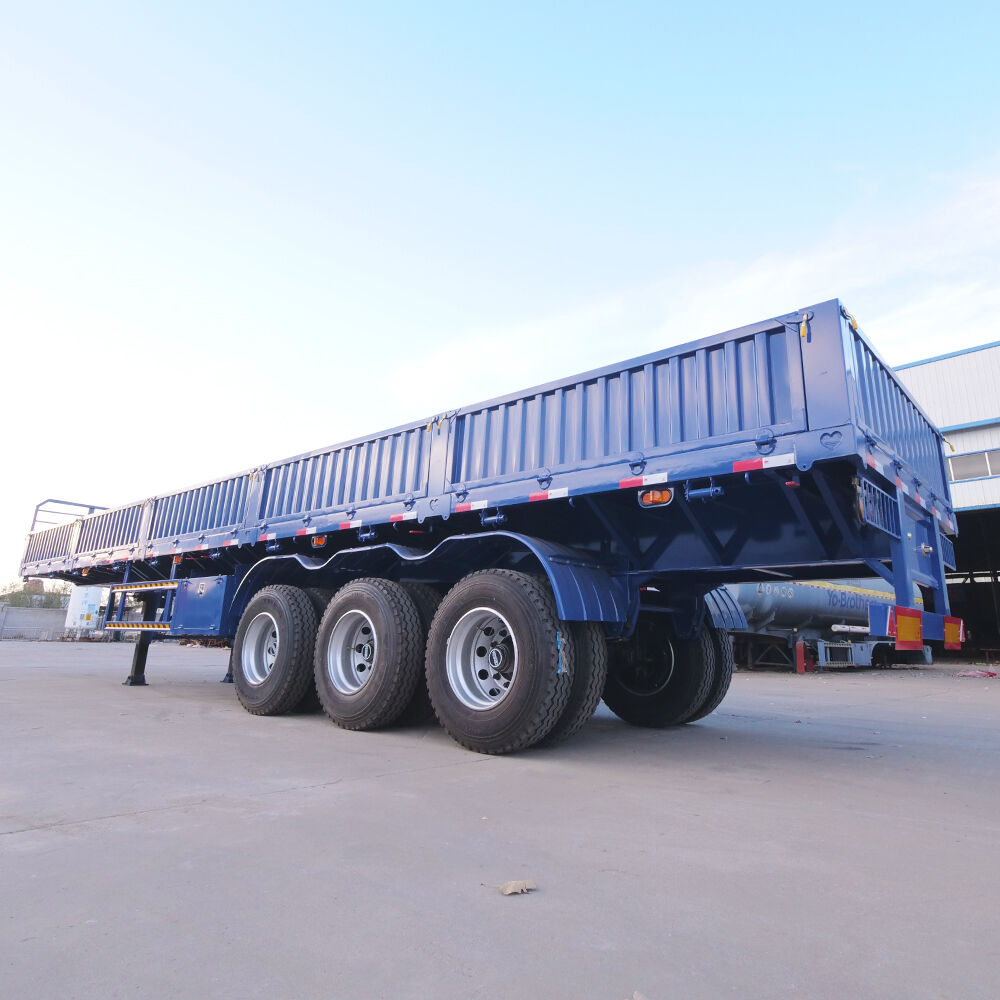
ထရေလာအမျိုးအစားကို ကုန်ပစ္စည်းလိုအပ်ချက်များနှင့် စီးပွားရေးဖွံ့ဖြိုးတိုးတက်မှုရည်မှန်းချက်များနှင့် ကိုက်ညီအောင်ပြုလုပ်ခြင်း
ကုန်ပစ္စည်းအမျိုးအစားများနှင့် ထရေလာအမျိုးအစားများကို ကိုက်ညီအောင်ပြုလုပ်ခြင်း - သိုလှောင်ရန်အတွက် ကုန်ပစ္စည်းများ၊ အလေးချိန်များသော ကုန်ပစ္စည်းများ၊ ကွဲလွဲလွယ်သော ကုန်ပစ္စည်းများနှင့် အန္တရာယ်ရှိသော ကုန်ပစ္စည်းများ
အသင်းတော်သော ထရေလာကို ရွေးချယ်ရာတွင် ကုန်ပစ္စည်း၏ အရည်အသွေးများကို တိကျစွာ ဆန်းစစ်ခြင်းဖြင့် စတင်ရပါမည်။ ဆေးဝါးများ၊ နို့ထွက်ပစ္စည်းများ သို့မဟုတ် သစ်သီးနှင့် ဟင်းသီးဟင်းရွက်များကဲ့သို့သော ပိုမိုမှုန်းနေသော ကုန်ပစ္စည်းများအတွက် အပူခါးအား ထိန်းညှိပေးနိုင်သော ရီဖာ (reefer) ထရေလာများ လိုအပ်ပါသည်။ ထိုသို့သော ရီဖာများသည် အပူခါးနှင့် စိုထိုင်းဆကို တိကျစွာ ထိန်းညှိပေးနိုင်ရပါမည်။ အလေးချိန်များပါသော စက်မှုပစ္စည်းများနှင့် တည်ဆောက်ရေးပစ္စည်းများကို သယ်ဆောင်ရာတွင် ပုံမှန်အတိုင်း မဟုတ်ဘဲ အောက်ချိုသော ပလက်ဖောင်း (lowboy) ထရေလာများ သို့မဟုတ် ပုံမှန်ပလက်ဖောင်း (flatbed) ထရေလာများကို အသုံးပြုရပါမည်။ ထိုထရေလာများသည် အားကောင်းသော အတွင်းအစိတ်အပိုင်းများနှင့် အများကြီးသော အလေးချိန်ကို ထောက်ပံ့ပေးနိုင်သော ပလက်ဖောင်းများဖြင့် ပြုလုပ်ထားပါသည်။ ထိုသို့သော ထရေလာများဖြင့် ကရိန်း (crane) အသုံးပြု၍ ကုန်ပစ္စည်းများကို တင်သောင်းနိုင်ပါသည်။ အလွန်အားနည်းသော အီလက်ထရွန်နစ်ပစ္စည်းများနှင့် တိကျမှုများပါသော စက်မှုပစ္စည်းများအတွက် လေအားဖြင့် ချောမွေ့စေသော အီးယာ-ရိုဒ် (air-ride) စနစ်ပါသော ပိတ်ထားသော ခြောက်သော ဗန် (dry van) ထရေလာများကို အသုံးပြုရပါမည်။ ထိုထရေလာများသည် အုန်းအောင်းမှုနှင့် ကုန်ပစ္စည်းများ ရွေ့လျားမှုကို အနည်းဆုံးဖြစ်အောင် လုပ်ပေးနိုင်ပါသည်။ အန္တရာယ်ရှိသော ပစ္စည်းများကို သယ်ဆောင်ရာတွင် ၄၉ CFR အပိုဒ် ၁၇၁ မှ ၁၈၀ အထိ သတ်မှတ်ထားသော အထူးသော အားကောင်းသော အကာအကွယ်ပေးမှု၊ လေဝင်လေထွက်စနစ်နှင့် အမှတ်အသားများကို ဖော်ပေးနိုင်သော အထူးထရေလာများကို အသုံးပြုရပါမည်။
၂၀၂၃ ခုနှစ်တွင် လုပ်ငန်းအသိအမှတ်ပြုသည့် လေ့လာမှုတစ်ခုအရ ကုန်ပစ္စည်းများကို မှီဝဲရန် မှန်ကန်သော ထရေလာများကို ရွေးချယ်မှုမှားယွင်းခြင်းသည် ကုန်ပစ္စည်းပျက်စီးမှုဆိုင်ရာ အဖြစ်အပ်မှုများ၏ ၂၃% ကို ဖော်ပေးခဲ့ပါသည်။ ထိုသို့သော အချက်များသည် ကုန်ပစ္စည်း၏ အမျိုးအစားနှင့် သယ်ယူပို့ဆောင်ရေးပိုင်းဆိုင်ရာ ပိုမိုကောင်းမွန်သော ပိုမိုမှန်ကန်သော ထရေလာရွေးချယ်မှုကို ဖော်ပေးပါသည်။ အရေးကြီးသော အချက်များမှာ-
- သက်တမ်းတိုဆေးများ လိုအပ်သော အပူခါးအပေါ်အောက်အတန်း၊ စိုထိုင်းဆထိန်းချုပ်မှုနှင့် ရီဖာယူနစ် (reefer unit) အပိုအသုံးပြုမှု
- အလေးချိန်များ အက်ဆယ်အလေးချိန် ဖ distribution, ဒက်က်အမေးအမှတ် (deck rating) နှင့် တိုက်ခိုက်မှုကို ချိတ်ဆက်ထားသည့် အမှတ်အသားများ၏ အားကောင်းမှု
- ခွဲခြမ်းစိတ်ဖြာရန် လွယ်ကူသော ပစ္စည်းများ ဆပင်ရှင်းအမျိုးအစား၊ အတွင်းပိုင်း အကာအကွယ်အမျိုးအစားနှင့် ကုန်ပစ္စည်းများကို တည်ငြိမ်စေရန် ရွေးချယ်စရာများ
- အန္တရာယ်ရှိသော ပစ္စည်းများ စည်းမျဉ်းများနှင့် ကိုက်ညီမှု စာရွက်စာတမ်းများ (ဥပမါ- DOT 406/412 အထောက်အထားများ)၊ အငွေ့ပြန်လည်ရယူမှုနှင့် အရေးပေါ် ပိတ်ပင်မှုစနစ်
ခြောက်သော ဗန် (Dry Van)၊ ရီဖာ (Reefer)၊ ဖလက်ဘက် (Flatbed)၊ ခေဆီစ် (Chassis) နှင့် အထူးသယ်ယူပို့ဆောင်ရေး ထရေလာများကို နှိုင်းယှဉ်ခြင်း
| တွဲဆွဲယာဥ် အမျိုးအစား | အကောင်းဆုံး | အဓိကကန့်သတ်ချက်များ |
|---|---|---|
| ခြောက်သော ဗန် (Dry Van) | အထုပ်ပို့ထားသော ပစ္စည်းများ၊ စျေးဝယ်ပေါ်တွင် ရောင်းချသည့် ပစ္စည်းများ၊ အထုပ်ပို့ထားသော ကုန်ပစ္စည်းများ | အပူခွင်အထိန်းသိမ်းမှုမရှိသည့်အတွက် ဝင်ရောက်မှုနေရာများ ကန့်သတ်ထားသည် |
| ရီဖာ | ပိုမိုမကြာခဏ ပျက်စီးလေ့ရှိသောပစ္စည်းများ၊ ဆေးဝါးများ၊ အေးခဲထားသောအစားအစာများ | လောင်စာသုံးစွဲမှုနှင့် ပုံမှန်ပြုပြင်ထိန်းသိမ်းမှုစရိတ်များ ပိုမိုများပေါ်သည် |
| ပြားချပ်ချပ် | စက်ပစ္စည်းများ၊ သံခွေများ၊ အလွန်ကြီးမားသော သို့မဟုတ် ပုံစံမမှန်သော ပစ္စည်းများ | ရာသီဥတုအခြေအနေနှင့် လုံခြုံရေးအားနည်းချက်များကို ထိမိနေခြင်း |
| ချားစီ | သုံးမျှော်ကုန်တင်ပို့ရေကုန်သိုလှောင်ခွဲများ (အန်တာမောဒယ် ဒရေးယေးဂ်) | ကုန်စည်တင်သို့မဟုတ် ဖောင်းပေါက်တင်ရန် တိုက်ရိုက်ဒီဇိုင်းမထုတ်ထားသည့်အတွက် ကုန်စည်သယ်ယူရေးအတွက် အသုံးဝင်မှုနည်းပါးသည် |
| အထူးပြုခြင်း | အန္တရာယ်ရှိသောပစ္စည်းများ၊ အရည်အများအပြား၊ အသက်ရှိသောအိုများ၊ ကားသယ်ယူရေးယာဥ်များ | ဝယ်ယူမှုစရိတ်နှင့် လုပ်သမ်းများကို လေ့ကျင်ပေးရန် လိုအပ်သော စရိတ်များ ပိုမိုများပေါ်သည် |
ခြောက်သွေ့သော ဗန်းများသည် စံနှုန်းအတိုင်းသော ကုန်ပစ္စည်းများကို လုံခြုံစေပြီး ရေဒဏ်မှ ကာကွယ်ပေးသည့် အကုန်ကျစရိတ်အနည်းဆုံး ဖြေရှင်းနည်းဖြစ်သည်။ ရေခဲသေတ္တာပါ ကုန်တင်ယာဥ်များ (Reefers) သည် အမြတ်အစွန်းမြင့်မားသော အအေးခံ ကုန်စည်သယ်ယူရေး (cold-chain logistics) တွင် ကြီးထွားမှုကို ဖွငေးလှစ်ပေးသည်— ၂၀၂၃ ခုနှစ်တွင် အအေးခံဝန်ဆောင်မှုများကို ချဲ့ထွင်လုပ်ကိုင်သည့် ကုမ္ပဏီများသည် အသုံးအနှုန်း အစီရင်ခံစာ (Transportation Quarterly) အရ အမြတ်ငွေ တိုးတက်မှု ၁၇% ပိုများခဲ့သည်။ ပုံစံမှန်မဟုတ်သော ကုန်ပစ္စည်းများအတွက် မပေါ်လွင်သော ဘောင်ပါ ကုန်တင်ယာဥ်များ (Flatbeds) သည် အကောင်းဆုံး လွတ်လပ်မှုကို ပေးစေပြီး ခြေတုံးများ (chassis units) သည် ဆိပ်ကမ်းများနှင့် မီးရထား စုစည်းရာနေရာများတွင် အနောက်တိုင်းအက်စ် (intermodal) လွှဲပေးခြင်းကို အကောင်းဆုံးဖြစ်အောင် ပြုလုပ်ပေးသည်။ အထူးသော ကုန်တင်ယာဥ်များသည် အထူးသော စည်းမျဉ်းနှင့် လုပ်ဆောင်မှုဆိုင်ရာ လိုအပ်ချက်များကို ဖြေရှင်းပေးသည်— အထူးသဖြင့် လုံခြုံရေး၊ ပိတ်မိမှု (containment) သို့မဟုတ် ပတ်ဝန်းကျင်ဆိုင်ရာ ထိန်းချုပ်မှုများ မဖြစ်မနေ လိုအပ်သည့် နေရာများတွင် ဖြစ်သည်။ အစီအမျဉ်းကြီး ယာဥ်အုပ်စု စီမံခန့်ခွဲမှုဆိုသည်မှာ လက်ရှိ ကုန်ပစ္စည်းပမာဏကို ဖော်ဆောင်ပေးနိုင်မည့် အသုံးပြုမှုပုံစံများကို ရွေးချယ်ခြင်းဖြစ်သည်။ နှင့် လုပ်ငန်းကို အခြားသော ဝန်ဆောင်မှု လိုင်းများသို့ ချဲ့ထွင်ရန် အဆင်သင့်ဖြစ်စေရန် အဖွဲ့စည်းမှုများကို ရေးဆွဲပေးခြင်းဖြစ်ပြီး အပြည့်အဝ အစားထိုးခြင်းများ မလိုအပ်ပါ။
ကုန်သယ်ယူရေး ယာဉ်များကို ကုန်ပစ္စည်း အမေးအမှုန်း၊ ခံနိုင်ရည်နှင့် စည်းမျဉ်းနှင့် ကိုက်ညီမှုအတွက် အကောင်းဆုံးဖြစ်အောင် လုပ်ဆောင်ပါ။
GVWR၊ အက်စယ် အဖွဲ့စည်းမှုများ၊ ချဲ့ထွင်မှု စနစ်များနှင့် FMCSA လမ်းပေါ် အသိအမှတ်ပြုမှု လိုအပ်ချက်များ
GVWR (စုစုပေါင်းယာဥ်အလေးချိန်အဆိုပြုချက်) သည် လုံခြုံပြီး စည်းမျဉ်းနှင့်အညီ ထရေလာကို လည်ပတ်ရေး၏ အခြေခံအုတ်မူဖြစ်သည်။ ၎င်းသည် ထရေလာ၏ ကိုယ်ပိုင်အလေးချိန် (tare weight) နှင့် ကုန်ပစ္စည်းများအပါအဝင် ထရေလာတွင် သယ်ဆောင်ခွင့်ပြုထားသည့် အများဆုံးဥပဒေရေးရာ အလေးချိန်ကို သတ်မှတ်ပေးသည်။ GVWR ကို ကျော်လွန်ပါက ခြေတ်အစိတ်အပိုင်းများ ပိုမိုပျက်စီးလာခြင်း၊ ဘရိတ်စနစ် ပျက်စီးခြင်းနှင့် FMCSA ၏ စည်းမျဉ်းများနှင့် မကျေးဇူးပြုခြင်းတို့ ဖြစ်ပေါ်လာပြီး အရေးကြီးသည့် အရေးအသုံးများ သို့မဟုတ် ယာဥ်ကို အလုပ်မလုပ်စေရန် အမိန့်ချမ်းသာခြင်းတို့ ဖြစ်ပေါ်လာနိုင်သည်။ အက်ဆယ် ပုံစံသည် အလေးချိန်ကို ဘော်လ်ခြေတ်များနှင့် အက်ဆယ်များပေါ်တွင် မည်သို့ဖြန့်ဖြူးပေးမည်ကို ဆုံးဖြတ်ပေးသည်။ အက်ဆယ်များကို ထပ်မံတပ်ဆင်ခြင်းဖြင့် အလေးချိန်ဖြန့်ဖြူးမှုကို ပိုမိုကောင်းမွန်စေပြီး ဘော်လ်ခြေတ်များ၏ ပုံပေါ်မှုကို ၂၅% အထိ လျော့ချပေးကာ မတည်ငြိမ်သည့် မြေပုံပေါ်တွင် ပိုမိုတည်ငြိမ်စေသည်။ ခြေတ်စနစ်ရွေးချယ်မှုသည် ကုန်ပစ္စည်းကာကွယ်ရေးနှင့် စနစ်၏ သက်တမ်းနှစ်နှစ်ကို နှစ်သက်စေသည်။ လေဖြင့် လှုပ်ရှားသည့် ခြေတ်စနစ်များသည် အထူးခြောင်းကြောင်းသည့် ကုန်ပစ္စည်းများအတွက် ပိုမိုကောင်းမွန်သည့် လှုပ်ခြောက်မှုကို စုပ်ယူနိုင်စေပြီး အများအားဖြင့် အများအားဖြင့် အလေးချိန်များကို သယ်ဆောင်ရေးအတွက် အသုံးပြုသည့် မြားပါသည့် ခြေတ်စနစ်များသည် စုံလင်သည့် ယုံကြည်စေမှုကို ပေးစေပြီး စုံလင်သည့် စုံလင်သည့် စုံလင်သည့် စုံလင်သည့် စုံလင်သည့် စုံလင်သည့် စုံလင်သည့် စုံလင်သည့် စုံလင်သည့် စုံလင်သည့် စုံလင်သည့် စုံလင်သည့် စုံလင်သည့် စုံလင်သည့် စုံလင်သည့် စုံလင်သည့် စုံလင်သည့် စုံလင်သည့် စုံလင်သည့် စုံလင်သည့် စုံလင်သည့် စုံလင်သည့် စုံလင်သည့် စုံလင်သည့် စုံလင်သည့် စုံလင်သည့် စုံလင်သည့် စုံလင်သည့် စုံလင်သည့် စုံလင်သည့် စုံလင်သည့် စုံလင်သည့် စ......
FMCSA အသိအမှတ်ပြုမှုသည် ဖရိမ်းအား စိစိမ်မှု မောဒယ်လင်းခြင်း၊ ပြည့်နေသောအခြေအနေတွင် ဘရိက်စနစ်၏ စွမ်းဆောင်ရည်နှင့် မီးအားပေးမှု/လျှပ်စစ် လုံခြုံရေးစံနှုန်းများ အပါအဝင် ဖွဲ့စည်းပုံဆိုင်ရာ အားကောင်းမှုကို စာရေးမှုဖြင့် အထောက်အထားပေးရန် လိုအပ်ပါသည်။ FMCSA ၂၀၂၃ လုံခြုံရေးစစ်ဆေးမှု အချက်အလက်များအရ အသိအမှတ်ပြုမှုမရှိသော (သို့) မှန်ကန်စွာ ထိန်းသိမ်းမှုမပြုလုပ်သော ထရေလာများသည် လမ်းဘေးတွင် စစ်ဆေးမှုမှ ပေါ်ပေါက်သော ပျက်ကွက်မှုနှုန်းသည် စံနှုန်းနှင့်ကိုက်ညီသော ထရေလာများထက် သုံးဆထက်ပိုများပါသည်။ အမေရိကန် ထရပ်က်က် အသိုက်များ၏ အဖွဲ့စည်းမှု စံနှုန်းများအရ GVWR၊ အက်စယ် စီမီးမှုနှင့် ဆပင်ရှင်းစနစ်တို့ကို အကောင်းဆုံး ပေါင်းစပ်မှုဖြင့် နှစ်စဥ် ထိန်းသိမ်းမှုစရိတ်ကို ၁၈% လျော့ကျစေနိုင်ပါသည်။
အသုံးပြုသည့်ပစ္စည်းများ၏ အားနည်းချက်များ- ခေတ်မှီ သယ်ယူပို့ဆောင်ရေး ထရေလာများတွင် အလူမီနီယမ်၊ သံမှုန်နှင့် ကွန်ပိုစစ်များ အကြား နှိုင်းယှဉ်မှု
ပစ္စည်းရွေးချယ်မှုသည် အဝန်တင်နိုင်စွမ်း၊ အသက်တာစုစုပေါင်းစုစုပေါင်းစုစုပေါင်းစုစုပေါင်းစုစုပေါင်းစုစုပေါင်းစုစုပေါင်းစုစုပေါင်းစုစုပေါင်းစုစုပေါင်းစုစုပေါင်းစုစုပေါင်းစုစုပေါင်းစုစုပေါင်းစုစုပေါင်းစုစုပေါင်းစုစုပေါင်းစုစုပေါင်းစုစုပေါင်းစုစုပေါင်းစုစုပေါင်းစုစုပေါင်းစုစုပေါင်းစုစုပေါင်းစုစုပေါင်းစုစုပေါင်းစုစုပေါင်းစုစုပေါင်းစုစုပေါင်းစုစုပေါင်းစုစုပေါင်းစုစုပေါင်းစ......
ကွန်ပိုစစ်ပစ္စည်းများ—ဖိုင်ဘာဂလပ်စ်ဖြင့် အားကောင်းစေထားသော ပေါလီမာများအပါအဝင်—သည် အထူးပုဂ္ဂလိကအသုံးပျော်များတွင် လူကြိုက်များလာပါသည်။ ၎င်းတို့သည် အလေးချိန်ပေါ့ပါသော ဂုဏ်သတ္တိနှင့် အထူးသဖြင့် ရှေးရှေးနေရာများတွင် ခံနိုင်ရည်ရှိမှုကို ပေါင်းစပ်ပေးပြီး ၅ နှစ်အတွင်း ဖွဲ့စည်းပုံဆိုင်ရာ ပြုပြင်မှုများကို ၄၀% အထိ လျော့နည်းစေပါသည် (၂၀၂၂ ခုနှစ် Fleet Technology Review)။ သို့သော် ကွန်ပိုစစ်ပစ္စည်းများကို ပြုပြင်ရန်အတွက် အခြေခံအဆောက်အအုံများသည် အဓိက ဝန်ဆောင်မှုဌာနများအပြင် အခြားနေရာများတွင် အလွန်ကောင်းမွန်မှုမရှိသောကြောင့် ပြ distributed လုပ်ဆောင်မှုများအတွက် ယာယီအခက်အခဲများကို ဖြစ်ပေါ်စေပါသည်။ စံနှုန်းအရ သံမှုန်၏ အလေးချိန်သည် ဘရိတ်ချိန်ခေါင်းစဉ်စမ်းသပ်မှုများကို အားပေးပေးပြီး အလူမီနီယမ်၏ အလေးချိန်ချော့ချော့မှုသည် အစိုးရ၏ တံတားညီမျှခြင်း စံနှုန်းများကို ဖော်ထုတ်ရန် အဖွဲ့အစည်းများအား အထောက်အကူပေးပါသည်။ ကွန်ပိုစစ်ပစ္စည်းများသည် ISO 1496-1 စံနှုန်းများနှင့်အညီ ဒီဇိုင်းထုတ်ပါက FMCSA ၏ ဖွဲ့စည်းပုံဆိုင်ရာ အတည်ပြုခြင်းကို အလွန်များပြားလာပါသည်။
စမတ်သယ်ယူပို့ဆောင်ရေး ခြောက်လုံးကားနည်းပညာဖြင့် အနာဂတ်အတွက် အသင့်ဖြစ်သော အဖွဲ့အစည်းများ
စကေးလေးများအတွက် တယ်လီမေတ်တစ်များ၊ ဘောင်ချိန်ချိန်စက်များ၊ ဂီယိုဖင်စင်များနှင့် ကြိုတင်ခန့်မှန်းသော ပြုပြင်မှုများ
စမတ်ထရေလာနည်းပညာသည် အကူအညီမပေးသော ပစ္စည်းများကို အသုံးဝင်သော အသိဉာဏ်ရှိသော အများပြည်သူဆက်သွယ်ရေးအများအပြား (intelligent nodes) အဖြစ် ပြောင်းလဲပေးပါသည်။ ပေါင်းစပ်ထားသော တယ်လီမေတ်တစ်စ် စနစ်များသည် နေရာဒေသ၊ တံခါးအခြေအနေ၊ ပတ်ဝန်းကျင်အပူချိန်နှင့် ရီဖာစနစ်၏ စွမ်းဆောင်ရည်တို့အပေါ် အချိန်နှင့်တစ်ပါက် မှုမှန်မှုကို ပေးစေပါသည်။ ထို့ကြောင့် ပျက်စီးမှု သို့မဟုတ် စံချိန်မှုများ ဖြစ်ပွားမီ ကြိုတင်စွက်ဖောက်မှုများ ပြုလုပ်နိုင်ပါသည်။ ဘောင်းချာစိုက်ထားသော စိုက်ပုတ်များသည် အလေးချိန်ဖ distribution များ မညီမျှမှုများနှင့် ခွင့်မပေးသော ကုန်ပစ္စည်းများ ရွှေ့ပေးမှုများကို စောင်းမှုဖော်ထုတ်ပေးပါသည်။ ထို့ကြောင့် လုံခြုံရေး စံချိန်များနှင့် ကုန်ပစ္စည်းများ အကောင်အထည်ဖော်မှု အများဆုံးဖော်ထုတ်မှုကို ပံ့ပိုးပေးပါသည်။ ဂီယိုဖင်စင်းသည် ဒေါက်ခ်အချိန်ဇယားကို အလိုအလျောက် စီမံပေးပါသည်။ လမ်းကြောင်းအတိုင်း လိုက်နာမှုကို အာမခံပေးပါသည်။ ခွင့်မပေးသော ရပ်နားမှုများ သို့မဟုတ် ယာဥ်ရပ်နားရာနေရာတွင် အချိန်ကုန်လွန်မှုများအတွက် အသိပေးချက်များကို ဖော်ပေးပါသည်။ အစိတ်အပိုင်းအဆင့် တယ်လီမေတ်တစ်စ်များနှင့် သမိုင်းကြောင်းအရ ဖြစ်ပွားခဲ့သော ပျက်စီးမှုများ၏ ပုံစံများအပေါ် လေ့ကျင်းထားသော ကြိုတင်ခန့်မှန်းထားသော ပြုပြင်မှု အယ်လ်ဂေါရီသမ်များသည် အချိန်မှမဟုတ်သော ရပ်နားမှုများကို ၃၀ မှ ၅၀ ရှိသည်။ ၂၀၂၃ ခုနှစ်တွင် Fleetio နှင့် Samsara တို့မှ ပေးထားသော ယာဥ်စုစုပေါင်း စံချိန်များအရ ဖြစ်ပါသည်။
ဤပေါင်းစည်းမှုသည် အခြားစနစ်များနှင့် အလုပ်လုပ်နိုင်သော ပစ္စည်းစနစ်ကို ဖန်တီးပေးပါသည်- ကုန်ထုပ်များကို ပို့ဆောင်ရာတွင်သာ အသုံးပြုသည့် ချိတ်ဆွဲကုန်တန်းများသည် ယခုအခါ လမ်းကြောင်းသတ်မှတ်ခြင်း၊ ပုံမှန်ပြုပြင်ထိန်းသိမ်းရေး အစီအစဉ်ချမှု၊ မောင်းသူများအား လမ်းညွှန်ပေးခြင်းနှင့် ရင်းနှီးမှုအရင်းအမြစ်များ ခွဲဝေခြင်းဆိုင်ရာ ဆုံးဖြတ်ချက်များကို အခြေခံသည့် အသုံးဝင်သော အချက်အလက်များကို ထုတ်လုပ်ပေးပါသည်။ အရှိန်မြင့်လျက်ရှိသော ကုန်စည်ပို့ဆောင်ရေးအဖွဲ့များအတွက် စက်မှုစနစ်များ၏ စွမ်းရည်တိုးချဲ့နိုင်မှုသည် ဖွင့်လှစ်ထားသော အဆောက်အဦအများအပြား (ဥပမါ- ISO 11783 နှင့် ကိုက်ညီသော ECUs) နှင့် TMS နှင့် ERP စနစ်များနှင့် အလွယ်တကူ ပေါင်းစပ်နိုင်သော မိုက်ခရိုကလော့ဒ်အခြေပြု ဆော့ဖ်ဝဲများအပေါ်တွင် အဓိကအားဖြင့် မှီခိုနေပါသည်- လုပ်ငန်းများ တိုးချဲ့လာသည်နှင့်အမျှ နည်းပညာရင်းနှီးမှုများမှ အကျိုးကျေးဇူးများ ပိုမိုတိုးပါသည်။
ရှည်လျားသောကာလ ကြီးထွားမှုအတွက် ဗျူဟာမြောက် ဝယ်ယူမှုဆိုင်ရာ ဆုံးဖြတ်ချက်များ ချမှတ်ခြင်း
ခိုင်မာသော ကုန်စည်ပို့ဆောင်ရေးအဖွဲ့ကို တည်ဆောက်ရေးသည် လက်ရှိ စွမ်းအားလုံးမှု အကွက်များကို ဖြည့်ဆောင်ရေးအတွက် လုပ်ဆောင်ချက်အရ အဖွဲ့စိတ်ကို အသုံးပြုခြင်းသာမက ရှည်လျားသောကာလ ကြီးထွားမှုနှင့် ကိုက်ညီသော ဗျူဟာမြောက် ဝယ်ယူမှုအများအပြားကို လိုအပ်ပါသည်။ ပို့ဆောင်ရေး ချိတ်ဆွဲကုန်တန်းများ နှစ်ပေါင်းများစွာကြာသော အရင်းအနှီးများကို ကိုယ်စားပြုသည်။ အရင်းအနှီးများ၏ အချိန်မမီ သက်တမ်းကုန်ဆုံးခြင်း သို့မဟုတ် ပိတ်မိနေခြင်းမှ ရှောင်ရှားရန်အတွက် လောင်စာ သက်ရောက်မှု၊ ထိန်းသိမ်းမှု အကြိမ်ကြိမ်မှု၊ ကျန်တန်ဖိုးနှင့် နည်းပညာ အဆင့်မြှင့်တင်ခြင်း လမ်းကြောင်းများအပါအဝင် ပိုင်ဆိုင်မှု စုစု အနာဂတ် အသုံးဝင်တဲ့ ဝန်ထုပ်ပြောင်းမှုများကို (ဥပမာ၊ ပြောင်းနိုင်သော dry van/reefer body များ) သို့မဟုတ် smart-system retrofits များကို လိုက်နာဆောင်ရွက်နိုင်သော modular designs များသည် ဖောက်သည်များနှင့် စည်းမျဉ်းစည်းကမ်းများ၏ မျှော်လင့်ချက်များ ပြောင်းလဲလာသည့်အတွက် အသုံးဝင်မှုသက်တမ်းကို တိုးချဲ့ပေးသည်။
“တည်ဆောက်ခြင်း သို့မဟုတ် ဝယ်ယူခြင်း” ဆုံးဖြတ်ချက်သည် အချိန်ကုန်ကြုံရမည့် အရေးကြီးသော အကျိုးသက်ရောက်မှုများကို ယူဆောင်လာပါသည်။ ဥပမါ- မှုန်းမှုန်းစုံ အအေးခံခြင်းဇုန်များ (multi-zone reefers) သို့မဟုတ် ကုတ်ပို့ခြင်းအမျှော်စောင်းပါ ဟိုက်ဘရစ်ခြင်း (curtainside hybrids) ကဲ့သို့သော အထူးပုဂ္ဂလိက အသုံးပြုရန် ဒီဇိုင်းထုတ်ထားသော ကုန်တင်ကုန်သုံးယာဥ်များကို ဝယ်ယူခြင်းသည် အထူးပုဂ္ဂလိက အင်ဂျင်နီယာပညာရပ်ဖြင့် ဒီဇိုင်းထုတ်ခြင်းနှင့် အတည်ပြုခြင်းထက် လုပ်ငန်းလည်ပတ်မှုအတွက် အသုံးပြုနိုင်ရန် အချိန်ကုန်ကြုံရမည့် ကာလကို ၁၈–၂၄ လ အထိ မြန်ဆန်စေပါသည်။ အရေးကြီးသည်မှာ ဝယ်ယူမှုများသည် စီမံချက်အတိုင်း ပေါင်းစပ်မှုစွမ်းရည်များနှင့် ကိုက်ညီရန် လိုအပ်ပါသည်။ ဥပမါ- တယ်လီမေတ်တစ်စ် (telematics) အသုံးပြုနိုင်ရန် ကြိုတင်တပ်ဆင်ထားသော ဝိုင်ယာဟာန်စ်များ၊ စံသတ်မှတ်ထားသော J1939 ဒေတာဘော့စ်များနှင့် OEM မှ အထောက်အပံ့ပေးထားသော API အသုံးပြုမှုအခွင့်အရေးများ ပါဝင်သော ကုန်တင်ကုန်သုံးယာဥ်များသည် အသုံးပြုမှုစတင်ရန် အခက်အခဲကို အမေးအမေးများ ပြုလုပ်ရန် လိုအပ်သည့် အဟောင်းများနှင့် နှိုင်းယှဉ်ပါက ၄၀% အထိ လျော့နည်းစေပါသည်။ ခြေတံအများအပြားနှင့် ကိုက်ညီမှု၊ FMCSA အတွက် ပြုပြင်မှု အလားအလာ၊ လုံခြုံရေးအင်္ဂါရပ်များ တိုးချဲ့နိုင်မှုနှင့် အသုံးပျောက်ပါက ပြန်လည်အသုံးပြုနိုင်မှု စသည့် အချက်များကို အခြေခံသော အကဲဖြတ်ရန် စံသတ်မှတ်ချက်များကို သတ်မှတ်ခြင်းဖြင့် ဝယ်ယူမှုဆုံးဖြတ်ချက်များသည် လုပ်ငန်းလည်ပတ်မှု၏ ရှည်လျားသောကာလ လှုပ်ရှားမှုအလွယ်တက်မှုနှင့် ငွေကြေးအရ ခိုင်မာမှုကို အမြဲတမ်း တိုးမှုပေးနိုင်ပါသည်။
မေးလေ့ရှိသောမေးခွန်းများ
ကုန်ပစ္စည်းအများအပြားနှင့် ကုန်တင်ကုန်သုံးယာဥ်အများအပြားကို ကိုက်ညီအောင် ရွေးချယ်ရန် အဘယ့်ကြောင့် အရေးကြီးပါသနည်း။
ထရေလာရွေးချယ်မှုမှားယွင်းခြင်းကြောင့် ကုန်ပစ္စည်းပျက်စီးမှု၊ အကောင်အထည်ဖော်မှုမကောင်းခြင်းနှင့် စည်းမျဉ်းစည်းကမ်းများနှင့် မကိုက်ညီမှုတို့ ဖြစ်ပေါ်လာနိုင်ပါသည်။ ထရေလာမှန်ကန်စွာရွေးချယ်ခြင်းဖြင့် ကုန်ထုပ်မှုကို မှန်ကန်စွာချိတ်ဆက်နိုင်ခြင်း၊ အပူခါးအပူခါးထိန်းချုပ်မှုနှင့် ဖွဲ့စည်းပုံဆိုင်ရာအထောက်အပံ့များကို သေချာစေပါသည်။ ထို့ကြောင့် ဆုံးရှုံးမှုများကို အနည်းဆုံးဖြစ်အောင်လုပ်ပေးပြီး လုပ်ငန်းဆောင်တာများကို အကောင်အထည်ဖော်ရာတွင် အကောင်အထည်ဖော်မှု ထိရောက်မှုကို မြှင့်တင်ပေးပါသည်။
ထရေလာများကို ရွေးချယ်ရာတွင် ဖလီးတ်များသည် မည်သည့်အချက်များကို ထည့်သွင်းစဉ်းစားသင့်ပါသနည်း။
အရေးကြီးသော ထည့်သွင်းစဉ်းစားရမည့်အချက်များတွင် GVWR နှင့် ကိုက်ညီမှု၊ အက်ဆယ်အစီအစဥ်၊ ဆပင်ရှင်စနစ်များ၊ စည်းမျဉ်းစည်းကမ်းများနှင့် ကိုက်ညီမှုရှိသော လက်မှတ်များနှင့် ပစ္စည်းများ၏ ခံနိုင်ရည်ရှိမှုတို့ ပါဝင်ပါသည်။ ကုန်ပစ္စည်း၏ အရေးကြီးသော အချက်များဖြစ်သည့် ပိုမိုမက်သော ကုန်ပစ္စည်းများ၊ အလေးချိန်များသော ကုန်ပစ္စည်းများ၊ ကွဲလွဲလွယ်သော ကုန်ပစ္စည်းများနှင့် အန္တရာယ်ရှိသော ကုန်ပစ္စည်းများတို့သည်လည်း ထရေလာလိုအပ်ချက်များကို သတ်မှတ်ပေးပါသည်။
စမတ်ထရေလာနည်းပညာသည် ဖလီးတ်လုပ်ငန်းများကို မည်သို့ မြှင့်တင်ပေးပါသနည်း။
စမတ်ထရေလာများသည် တယ်လီမေတ်တစ်များ၊ ကုန်ထုပ်ချိန်စနစ်များနှင့် ကြိုတင်သိရှိနိုင်သော ပြုပြင်ထိန်းသိမ်းရေးစနစ်များကို အသုံးပြု၍ နေရာဒေသ၊ ကုန်ပစ္စည်းအခြေအနေနှင့် စက်ပစ္စည်း၏ ကျန်းမာရေးအခြေအနေတို့အကြောင်း အချိန်နှင့်တွေ့မှုအတိုင်း အသိအကြားများကို ပေးပါသည်။ ထို့ကြောင့် ဘေးအန္တရာယ်ကင်းမှုကို မြှင့်တင်ပေးပြီး အလုပ်မလုပ်နိုင်သောအချိန်ကို လျော့နည်းစေပါသည်။ ထို့အပေါ် လုပ်ငန်းအရှုပ်အထွေးကို မြှင့်တင်ပေးပါသည်။
ထရေလာများကို တည်ဆောက်ရာတွင် အသုံးများသော ပစ္စည်းများများမှာ အဘယ်နည်း။
အသုံးများဆုံးပစ္စည်းများမှာ အလူမီနီယမ်၊ သံခဲနှင့် ကွန်ပိုစစ်များဖြစ်သည်။ အလူမီနီယမ်သည် အလေးချိန်ပေါ့ပါးပြီး ရှေးနှင့်ခံနိုင်ရည်ရှိပါသည်။ သံခဲသည် အလေးချိန်များသော ဘော်ဒီများအတွက် ခံနိုင်ရည်ရှိမှုကို ပေးစေပါသည်။ ကွန်ပိုစစ်များသည် အလေးချိန်ပေါ့ပါးမှုအကျိုးကျေးဇူးများကို ဖွဲ့စည်းမှုပြုပြင်မှုနေရာတွင် လျော့နည်းသော လုပ်ငန်းများနှင့် ပေါင်းစပ်ပေးပါသည်။
မော်ဂျူလာ ထရေလာဒီဇိုင်းများ၏ အကျိုးကျေးဇူးများမှာ အဘယ်နည်း။
မော်ဂျူလာဒီဇိုင်းများသည် ထရေလာများကို မတူညီသော ဘော်ဒီအများအကျဥ်းအတွက် အသုံးပြုနိုင်ရန် ပြောင်းလဲနိုင်စေပါသည်။ ထို့အပြင် စည်းမျဉ်းများနှင့် ဖောက်သည်များ၏ လိုအပ်ချက်များ ပြောင်းလဲလာသည်နှင့်အမျှ စမတ်စနစ်များကို ပြန်လည်တပ်ဆင်နိုင်စေပါသည်။ ထိုသို့ဖော်ပေးခြင်းဖြင့် ပစ္စည်း၏ အသုံးဝင်သော သက်တမ်းကို ရှည်လျားစေပါသည်။
အကြောင်းအရာများ
-
ထရေလာအမျိုးအစားကို ကုန်ပစ္စည်းလိုအပ်ချက်များနှင့် စီးပွားရေးဖွံ့ဖြိုးတိုးတက်မှုရည်မှန်းချက်များနှင့် ကိုက်ညီအောင်ပြုလုပ်ခြင်း
- ကုန်ပစ္စည်းအမျိုးအစားများနှင့် ထရေလာအမျိုးအစားများကို ကိုက်ညီအောင်ပြုလုပ်ခြင်း - သိုလှောင်ရန်အတွက် ကုန်ပစ္စည်းများ၊ အလေးချိန်များသော ကုန်ပစ္စည်းများ၊ ကွဲလွဲလွယ်သော ကုန်ပစ္စည်းများနှင့် အန္တရာယ်ရှိသော ကုန်ပစ္စည်းများ
- ခြောက်သော ဗန် (Dry Van)၊ ရီဖာ (Reefer)၊ ဖလက်ဘက် (Flatbed)၊ ခေဆီစ် (Chassis) နှင့် အထူးသယ်ယူပို့ဆောင်ရေး ထရေလာများကို နှိုင်းယှဉ်ခြင်း
- ကုန်သယ်ယူရေး ယာဉ်များကို ကုန်ပစ္စည်း အမေးအမှုန်း၊ ခံနိုင်ရည်နှင့် စည်းမျဉ်းနှင့် ကိုက်ညီမှုအတွက် အကောင်းဆုံးဖြစ်အောင် လုပ်ဆောင်ပါ။
- စမတ်သယ်ယူပို့ဆောင်ရေး ခြောက်လုံးကားနည်းပညာဖြင့် အနာဂတ်အတွက် အသင့်ဖြစ်သော အဖွဲ့အစည်းများ
- ရှည်လျားသောကာလ ကြီးထွားမှုအတွက် ဗျူဟာမြောက် ဝယ်ယူမှုဆိုင်ရာ ဆုံးဖြတ်ချက်များ ချမှတ်ခြင်း
-
မေးလေ့ရှိသောမေးခွန်းများ
- ကုန်ပစ္စည်းအများအပြားနှင့် ကုန်တင်ကုန်သုံးယာဥ်အများအပြားကို ကိုက်ညီအောင် ရွေးချယ်ရန် အဘယ့်ကြောင့် အရေးကြီးပါသနည်း။
- ထရေလာများကို ရွေးချယ်ရာတွင် ဖလီးတ်များသည် မည်သည့်အချက်များကို ထည့်သွင်းစဉ်းစားသင့်ပါသနည်း။
- စမတ်ထရေလာနည်းပညာသည် ဖလီးတ်လုပ်ငန်းများကို မည်သို့ မြှင့်တင်ပေးပါသနည်း။
- ထရေလာများကို တည်ဆောက်ရာတွင် အသုံးများသော ပစ္စည်းများများမှာ အဘယ်နည်း။
- မော်ဂျူလာ ထရေလာဒီဇိုင်းများ၏ အကျိုးကျေးဇူးများမှာ အဘယ်နည်း။