In the global commercial vehicle market, quality truck parts directly determine fleet operating costs and uptime. Whether it's a transmission, an engine, or a clutch, sourcing factory-direct at wholesale prices secures genuine quality while significantly boosting fleet ROI. This guide breaks down a repeatable sourcing playbook.
Understanding the Truck Parts Supply Chain
OEM parts are produced to the manufacturer's exact specification, offering the best fit and durability; aftermarket parts cost less but vary widely in quality. For heavy-duty trucks, core driveline components such as the engine, transmission and clutch should prioritize OEM to protect payload capacity and long-term operations.
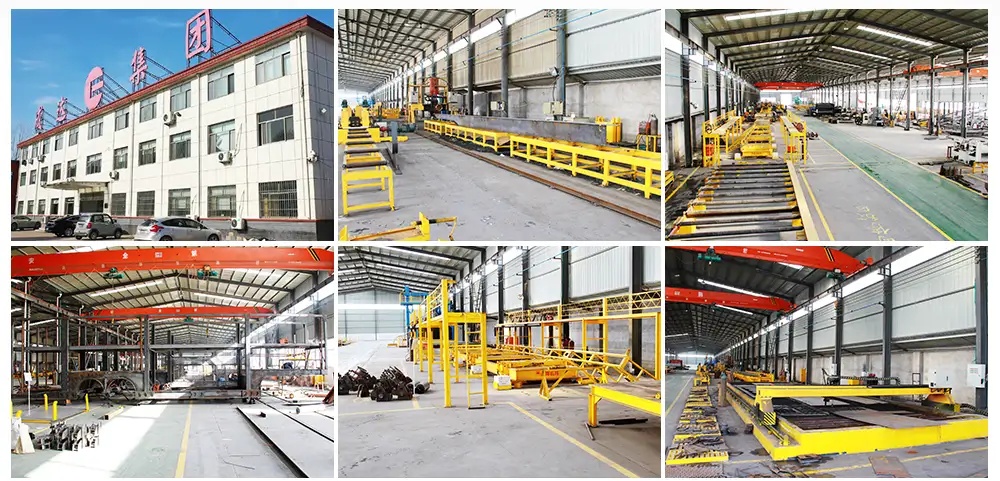
Why Factory-Direct Eliminates Middleman Markups
The traditional chain "factory to trader to distributor to fleet" can add 30%-50% markup per layer. Factory-direct sourcing removes the middlemen, so the wholesale price is the factory price, while also cutting communication friction and lead times.
Core Advantages of Buying Truck Parts Wholesale
Cost savings and ROI: bulk purchasing lowers unit price by 15%-25% annually, directly improving fleet ROI. Consistent quality: same batch and standard, traceable and uniformly warranted. Priority supply: wholesale customers enjoy priority production and fast replenishment, reducing downtime.
For a 50-truck fleet purchasing 200 driveline part sets per year, a 20% factory-direct versus middleman price gap can save enough annually to cover one major overhaul.
Key Truck Parts to Source: Transmission, Engine, Clutch
The transmission must match the engine torque curve; wrong selection increases fuel consumption and wear.
For the engine, match displacement, horsepower and emission standards such as Euro 2 or Euro 5.
For the clutch, check pressure plate size (e.g. 430mm) and torque capacity (Nm); heavy-duty conditions require high-fatigue design.
Industry Pain Points and Solutions
Fake Parts Risk
Pain point: counterfeit parts look similar but fail under load, causing secondary damage and safety risks. Solution: require factory authorization, anti-counterfeit verification, and batch certificates.
Long Lead Times
Pain point: parts shortage causes vehicle downtime with significant daily losses. Solution: sign a framework agreement to lock safety stock and expedited shipping.
How to Verify a Reliable Truck Parts Supplier
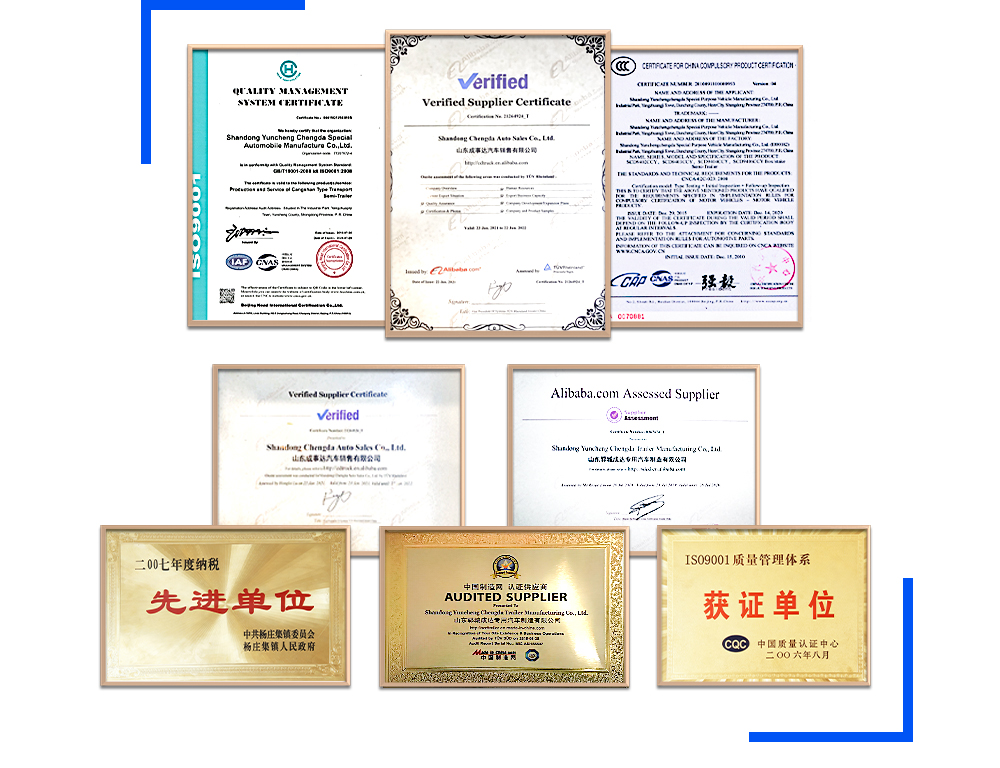
Prioritize factories certified to ISO 9001, IATF 16949, CE and similar systems, and request certificate copies.
Documentation and After-Sales Support
A reliable supplier should provide packing lists, proforma invoices, certificates of origin, English manuals, plus clear warranty and return policies.
Frequently Asked Questions
Q: How do I know if truck parts are genuine?
A: Look for factory authorization certificates, anti-counterfeit labels, and batch numbers traceable to the manufacturer.
Q: What is the minimum order quantity for wholesale truck parts?
A: MOQ typically ranges from 1 to 50 units depending on the part and supplier; many factory-direct suppliers accept small trial orders.
Q: Do factory-direct truck parts come with warranty?
A: Yes, reputable factories offer 6-24 months warranty with genuine replacement parts.
Q: Can I mix transmission, engine and clutch parts in one order?
A: Yes, consolidated orders save shipping cost; request a combined quotation.
Q: What is the typical lead time for factory-direct truck parts?
A: Most orders ship within 7-30 days depending on stock and customization.
Buying quality truck parts is ultimately about converting lower cost into higher uptime. Choose factory-direct, verify certifications, and lock in warranty terms — every sourcing decision adds to your fleet's ROI. Send us your parts list now for a factory-direct quotation.
 Hot News
2026-09-30
2026-08-31
2026-08-17
2026-07-17
2026-07-02
2026-06-25

Copyright © CD TRUCK LIMITED - Privacy Policy
 EN
EN