 EN
EN

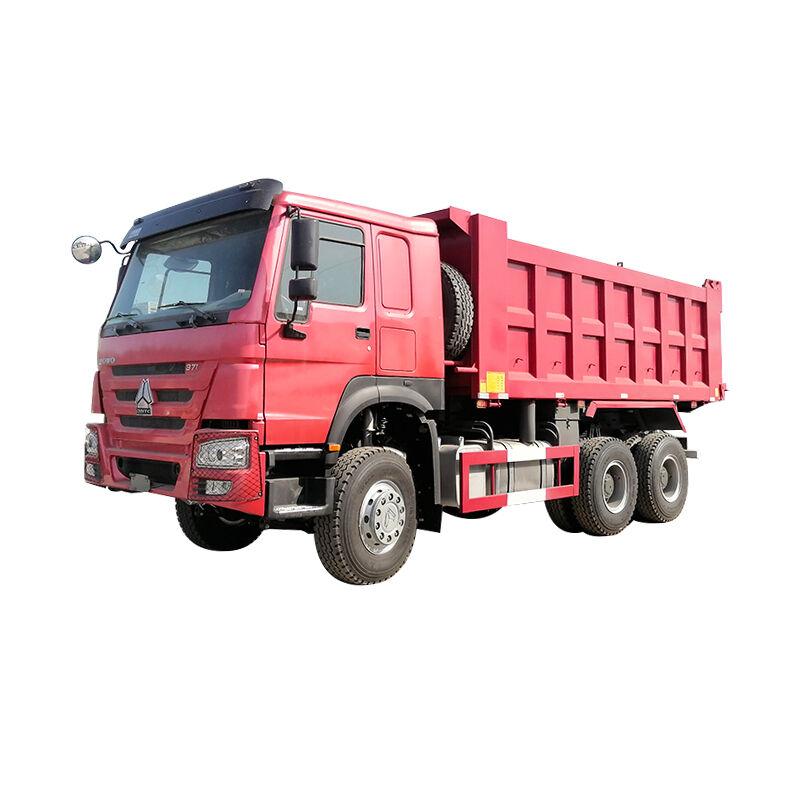
Ujednačavanje kapaciteta građevinskog kamiona sa zahtevima projekta
Napunjenost, konfiguracija osova i kompatibilnost terena na radnom mestu
Odabir građevinski kamion počinje usklađivanjem svoje nosivosti sa zahtjevima za količinom i težinom materijala projekta. Brojna masa vozila (GVWR) i korisna opterećenje moraju podržati očekivani prevoz na primjer, 10-yard dumper obično nosi do 20 tona punjenja, ali konfiguracija osovine određuje kako se ta težina raspoređuje po zemlji. Tandemne stražnje osovine poboljšavaju raspodjelu opterećenja na mekom ili nestabilnom terenu, dok jedinice sa jednom osovinom nude veću manevarsku sposobnost u zagušenim urbanim uslovima. Terens takođe diktira ključne osobine: grubim, neravnim radnim mjestima potrebno je veće razdaljine od tla, pogon na sva četiri kotača i teškoga oslanjanja. Holistička procena ovih faktora sprečava preopterećenje, minimizira štetu na lokaciji i podržava pridržavanje rasporeda.
Komercijalni varijanti korisnog tereta i dosega: kamioni za bacanje đubreta, mešaonice i kamioni za prevoz vozila izvan autoputa
Svaki tip kamiona balansira korisnu opterećenje i doseže drugačije. Kamioni za odlaganje prioriteta imaju korisnu opterećenje po putovanju, ali nude ograničenu visinu odlaganja standardna tijela dosežu samo 1012 stopa, često zahtijevajući rampe ili transportne vozila za povišeno postavljanje. Betonski mešači zamenjuju blago smanjenje korisnog opterećenja za produženi doseg padova: duži padovi omogućavaju izlijevanje dalje od kamiona, prilagođavajući složeni oblik ili uske pristupne tačke. Terenski prevoznici potpuno se određuju pravne obaveze na putu da bi isporučili ekstremna korisna tereta do 100 tona i neprikosnovanu terensku mobilnost, što ih čini neophodnim u rudarstvu i velikim zemljotresnim radovima. Prepoznavanje ovih inherentnih kompromisa osigurava da materijali stižu tačno tamo gde su potrebni, eliminišući skupu sekundarnu manipulaciju.
Procenite ukupne troškove vlasništva za građevinske kamione
Metrike izdržljivosti: integritet okvira, životni vek komponente i podaci o servisiranju u stvarnom svijetu
Integritet okvira je osnovni za dugoročnu vrijednost visoko-teža čelična okvira sa ojačanim prečnim člancima otporni su na fleksibilno umor pod ponavljajućim teškim opterećenjima, produžavajući životni vijek za 15~20% u odnosu na standardne dizajne. Kritske komponente pogonskog trakta kao što su menjači i osovine moraju se proceniti pomoću podataka o trajanju trajanja koji su validirani na terenu: na primer, oprema koja radi u obalnim okruženjima doživljava 30% bržu habanje zbog korozije soli, za Izveštaj o dugovječnosti opreme 2025 - Šta? Telematički omogućeno praćenje usluga dodatno jača procjenu izdržljivosti flote koje koriste podatke o upotrebi u realnom vremenu smanjuju neplanirano zastojno vrijeme za 22% i smanjuju troškove održavanja tokom celog života optimizacijom zamene prije kvarova.
Efikasnost goriva i alternativni pogonski sistemi: Dizel, biodizel i hibridna analiza ROI
Gorivo čini 35~40% operativnih troškova građevinskih kamiona, što čini izbor pogonskog sistema centralnim za ukupne troškove vlasništva (TCO). Konvencionalni dizel ostaje široko dostupan i pogodan za primjene uz dugotrajno opterećenje, dok mješavine biodizela poput B20 smanjuju emisije gasova staklene bašte, ali povećavaju učestalost održavanja filtera čestica, posebno u hladnim klimatskim uslovima. Hibridni sistemi omogućavaju uštedu goriva od 25-30% u ciklusima zaustavljanja i pokretanja putem regenerativnog kočenja; međutim, njihova veća cijena nabavke zahtijeva 3-5 godina povrat investicije. Upravitelji flote bi trebali modelirati radne cikluse u odnosu na lokalnu cijenu goriva, spremnost infrastrukture i programe podsticaja hibridni modeli su odlični u urbanim projektima sa čestim praznim radom i kratkim prelazima, dok moderne dizel konfiguracije održavaju prednosti u efikasnosti na dugim udal
Upotreba tehnologije i usklađenost za graditeljske kamione spremne za budućnost
Telematika, daljinska dijagnostika i predviđanje održavanja
Moderni građevinski kamioni integrisani su u telematske platforme koje praću performanse motora, potrošnju goriva, hidraulički pritisak i stanje komponenti u realnom vremenu. Ovi sistemi podržavaju daljinsku dijagnostiku, omogućavajući upravljačima parkom da otkriju anomalije kao što su abnormalni pritisak ulja ili hidraulička curenja u ranoj fazi pre nego što eskaliraju u kvarove. Prediktivni algoritmi održavanja, obučeni na istorijskim podacima senzora i operativnim obrascima, predviđaju opadanje komponenti sa sve većom točkinjom, smanjujući neplanirane popravke za do 45%, prema industrijskim mjerilima. Kompanije koje koriste integrisanu telematiku prijave 30% manje kvarova na putu i merljive dobitke u upotrebi opreme i produženju životnog vijeka.
U skladu sa člankom 3. stavkom 2.
Globalni propisi o emisijama direktno oblikuju dizajn i primjenu građevinskih kamiona. Američki EPA Tier 4 Final standard zahtijeva emisije čestica ispod 0,02 g/kW-hr, što zahtijeva napredne sisteme za naknadnu obradu kao što su filteri dizel čestica (DPF) i recirkulacija izduvnih gasova (EGR). Podjednako, propisi EU faze V zahtijevaju gotovo nula emisija čestica i NOx, oslanjajući se na tehnologiju selektivne katalitičke redukcije (SCR). U Aziji, regulatorni vremenski redovi se razlikuju: Kina sprovodi standarde Kine VI širom zemlje, dok je Indija usvojila Bharat Stage VI koji su oba usko usklađeni sa Euro 6. Kamioni koji ne ispunjavaju uslove suočavaju se sa zabranama rada i kaznama do 50.000 dolara po kršenju prema Zakonu o čistom vazduhu SAD-a. Vodeći proizvođači sada ugrađuju usklađene sisteme za naknadnu obradu kao standard, osiguravajući besprekorno uvođenje na regulisana tržišta bez kašnjenja u modernizaciji ili rizika od usklađenosti.
Često postavljana pitanja
Na koje faktore treba da se obratim prilikom izbora građevinskog kamiona?
Ključni faktori uključuju kapacitet tereta, konfiguraciju osova, kompatibilnost terena na radnom mestu i vrstu materijala koji se prevoze. Tereni i veličina projekta takođe igraju značajnu ulogu u određivanju potrebnih karakteristika.
Koje su razlike između različitih vrsta građevinskih kamiona?
Kamioni za odlaganje bace prednost na teret, ali imaju ograničen domet. Betonski mešači balansiraju korisnu opterećenje sa produženim dometom padobrana, dok su teretna vozila dizajnirana za ekstremne korisne opterećenja i mobilnost na terenu. Izbor pravog kamiona zavisi od specifičnih zahtjeva projekta.
Kako teren utiče na izbor građevinskog kamiona?
Mekan ili neravan teren zahtijeva karakteristike kao što su tandemne zadnje osovine, pogon na sva četiri kotača, teškoga suspenzija i visok nivo razdaljine od tla. U urbanim sredinama mogu biti potrebni kamioni sa jednom osom za bolju manevrisanost.
Kako telematika može poboljšati upravljanje građevinskim kamionima?
Telematički sistemi omogućavaju praćenje podataka u realnom vremenu, omogućavajući rano otkrivanje problema sa performansama, daljinsku dijagnostiku i prediktivno održavanje, što značajno smanjuje vrijeme zastoja i troškove popravaka.
Koje su prednosti alternativnih pogonskih sklopova kao što su hibridi?
Hibridni pogonski sklop nudi uštedu goriva od 25-30% u ciklusima zaustavljanja i pokretanja zbog regenerativnog kočenja. Posebno su efikasni u urbanim projektima sa čestim praznim radom ili kratkim stazama, iako zahtijevaju veće početne investicije.
Sadržaj
- Ujednačavanje kapaciteta građevinskog kamiona sa zahtevima projekta
- Procenite ukupne troškove vlasništva za građevinske kamione
- Upotreba tehnologije i usklađenost za graditeljske kamione spremne za budućnost
-
Često postavljana pitanja
- Na koje faktore treba da se obratim prilikom izbora građevinskog kamiona?
- Koje su razlike između različitih vrsta građevinskih kamiona?
- Kako teren utiče na izbor građevinskog kamiona?
- Kako telematika može poboljšati upravljanje građevinskim kamionima?
- Koje su prednosti alternativnih pogonskih sklopova kao što su hibridi?