 EN
EN
Pas die kapasiteit aan die projekomvang en werfbeperkings aan
Tromkapasiteitsbereik (3–12 m³): Deurset, sikeltyd en praktiese toepassing op die werf
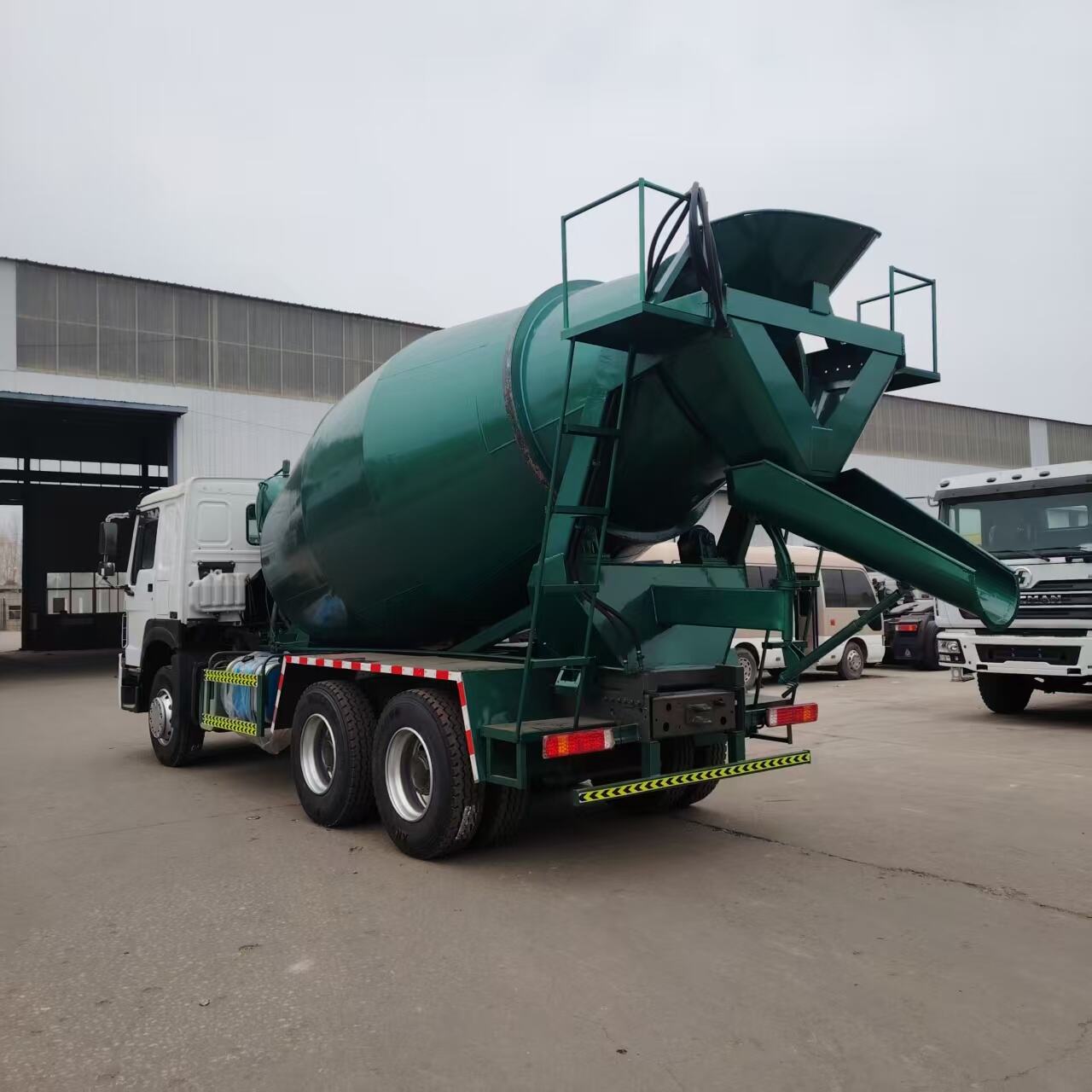
Om die regte betonmenger Vragmotor begin met die trommelkapasiteit—gewoonlik 3 tot 12 kubieke meter. ’n 3 m³-eenheid tree uit in klein residensiële gietwerk of noue stedelike werfplekke waar beweeglikheid en toegang kritiek is. Groter trommels van 8–12 m³ is geskik vir kommersiële plaatwerk en infrastruktuurprojekte, aangesien dit ’n hoër deurstroom per rit lewer. Maar groter is nie altyd vinniger nie: ’n 12 m³-vragmotor kan 15–20 minute per las neem, vergeleke met 8–10 minute vir ’n 6 m³-eenheid, wat die potensiële aantal ritte per uur van drie na twee verminder. Dit beïnvloed nie net produktiwiteit nie, maar ook die konsekwentheid van die gietwerk—veral by tydgebonde plekkings. Belangrik is dat die trommelgrootte moet pas by werfbeperkings: gewigbeperkings, draaikompassie en brughoogtebeperkings maak dikwels oormatige eenhede onmoontlik, ongeag hul teoretiese doeltreffendheid. Die optimale keuse balanseer die gemiddelde gietvolume, werflogistiek en betonkwaliteitvereistes—en verseker ’n voortdurende versorging sonder stilstandtyd of bedryfsbelasting.
Stedelike Toegang teenoor Snelwegprojekte: Hoe Werflogistiek die Optimale Grootte van Betonmengvoertuie bepaal
Stedelike konstruksie vereis kompakte, lenige oplossings. Noue strate, lae oorbruggings en skerp draaipunte maak mengmotorwerke met 'n kapasiteit van 3–6 m³ die enigste lewensvatbare opsie in die meeste stedelike omgewings. Hierdie modelle voldoen aan munisipale asbelastingbeperkings en navigeer veiliger deur verkeersverdringde areas. In teenstelling daarmee word snelweg- en plattelandse infrastruktuurprojekte bevoordeel deur eenhede met 'n kapasiteit van 8–12 m³ wat die aantal vervoerstrokke verminder en die vervoerkoste per kubieke meter verlaag. Logistiek strek egter verder as net fisiese grootte: stedelike werke vereis dikwels gekoördineerde aflewering buite spitsure om aan geraasvoorskrifte te voldoen en verkeersknoppe te vermy; snelwegprojekte laat langer, ononderbroke stortings toe. Plaaslike regulasies—insluitend reëls oor asafstande en nakoming van brugformules—beperk verdere die wettige bedryf. 'n Voor-koop terreinbeoordeling is noodsaaklik om te verseker dat die gekose mengmotorwagen beide wettig en doeltreffend binne die projek se spesifieke logistieke raamwerk kan bedryf word.
Evalueer die Chassis, Aandryflyn en Bedienerergonomie vir Langtermynbetroubaarheid
Enjinstelling, Askonfigurasie en Kabinedontwerp vir Indiese Terrein en Hoë-gebruiksdiensiklusse
Vir die Indiese terrein—wat gekenmerk word deur steil gradiënte, ongepaaide toegangsroete en ekstreme hitte—berus langtermynbetroubaarheid op doelgerigte onderstelle-, aandryf- en kabinetteontwerp. Turboblaasde diesel-enjins met hoë lae-revolusieperminuut (rpm)-dreaioment en versterkte verkoelingsstelsels voorkom stilstand en oorverhitting onder volgehoue swaar lasse. Die askonfigurasie beïnvloed direk die greep en wettige lasvermoë: terwyl ’n 6x4-opstelling aan standaardwerfvereistes voldoen, lewer ’n 8x4-konfigurasie beter gewigsverspreiding en stabiliteit op ruwe, ongelyke grond wat algemeen voorkom langs Indië se infrastruktuurkorridore. Net so belangrik is bedienerergonomie—vermoeidheid versamel vinnig tydens 10-uur-skuiwe. Lug-opsuspensie-stoeltjies, skuifbare stuurkolomme, kabinettoonvermindering en doeltreffende klimaatbeheer behou waaksaamheid in stofbelaaide of 45°C-omstandighede. Wyehoekspiegels en uitgestrekte voorvensters elimineer blinde kolle, terwyl vibrasiegedempde kabinette en intuïtiewe digitale dashboards konsekwente prestasie ondersteun. Dienspunte met maklike toegang verminder verdere stilstand—wat die dienslewe verleng en vlootbeskikbaarheid bewaar.
Verseker Reguleringsnalewing en Strukturele Integriteit
Gewigsverspreiding, Volg van die Brugformule, en die Impak van die Trommel-aandrywingsstelsel op Wettige Bedryf en Onderhoudslewe
Reguleringsnalewing vir betonmengvoertuie begin met presiese gewigsverdeling wat aan die Brugformule moet voldoen—’n federale standaard wat bepaal hoe brutovehikelgewig met asafstande interaksie het om pad- en bruginfrastruktuur te beskerm. Nie-nalewing bring risiko’s van boetes tot $10 000 per skending mee, sowel as verpligte ontlaaiing op werfplekke, wat tidskedules ontwrig en arbeidskoste laat styg. Die keuse van die mengselrol-aandrywingstelsel beïnvloed ook wettigheid en leeftyd: hidrostatiese (hidrouliese) aandrywings bied fyn-afgestelde rotasiebeheer, maar vereis meer gereelde onderhoud; meganiese aandrywings is van nature robuust, maar voeg gewig by, wat die bruikbare lasvermoë verminder. Die koppeling van askonfigurasie (6x4 of 8x4) met die tipe mengselrol-aandrywing moet beide reguleringsnalewing en strukturele balans waarborg—verkeerde uitlyning versnel lagerversletting, raamvermoeidheid en mengselrolmisuitlyning, wat die dienslewe met tot 30% kan verkort. Korrekte integrasie verseker nie net wettige bedryf op openbare paaie nie, maar ook voorspelbare onderhoudbesoeke en langtermyn-strukturele integriteit.
Evalueer Tegnologie-integrasie en Totale Besitkoste
GPS-telematika, Laaissensors en Geoutomatiseerde Waterdosering: Akkuraatheidsvoordele teenoor aanvanklike en bedryfskoste
Moderne betonmengvoertuie integreer toenemend GPS-telematika, werklike tyd-laaissensors en outomatiese waterdoseringstelsels—werktuie wat mengakkuraatheid, hidrasiekontrole en leweringskoördinasie verbeter. Saam verminder hulle materiaalverspilling met tot 8%, verminder afgekeurde ladings en verbeter brandstofdoeltreffendheid deur geoptimaliseerde roetes en stilstaan-tydsmonitering. Tog gaan aanvaarding gepaard met materiële koste: hardeware-aankoop, sagtewarelisensies, installasie, voortgaande abonnementefooie, kalibrasie en spesialisering van tegnici se opleiding. ’n Streng Totale Besitkosteanalise (TCO) moet hierdie teenoor kwantifiseerbare voordele weeg—soos arbeidsbesparings, minder herwerk-voorvalle en nouer leweringsvensters. Vir vlootte met hoë benutting word ROI gewoonlik binne 18–24 maande verwesenlik; kleiner kontrakteurs baat die meeste uit modulêre, skaalbare stelsels wat gefaseerde implementering toelaat—om oorbelegging te vermy terwyl opgraderingspaaie behou word.
Elektriese/Hibried-bereidheid en Volhoubaarheids-ROI: Evaluering van Toekomsbestendigheid vir 2026 Betonmengertruckvlootte
Elektriese en hibriede betonmengvoertuie lewer meetbare volhoubaarheidsvoordele: 40–60% laer uitlaatgasse-uitstoot en beduidend verminderde geraas—krities vir stedelike nakoming en gemeenskapsverhoudings. Met die strenger 2026-reguleringsvereistes—insluitend moontlike koolstofbelastings, nul-uitstootgebied-vereistes en groen-aankoopbeleide—moet vlootbestuurders nou hul gereedheid evalueer. Die totale koste van eienaarskap (TCO) vir elektriese modelle sluit batteryvervanging ($15 000–$20 000 elke 5–7 jaar), laaiinfrastruktuur en moontlike verbeterings aan die elektrisiteitsnet in. Hibriedvariantes bied oorgangsveerkrag teen ’n laer aanvanklike koste. Jaarlikse brandstofbesparings van $7 000–$10 000 per voertuig, gekombineer met groen-incentiewe soos belastingkrediete wat tot 30% van die addisionele belegging dek, versterk die langtermyn ROI. Strategiese toekomsbestendigheid beteken om nie net die aanvanklike uitgawe te evalueer nie, maar ook die blootstelling aan nakomingsrisiko’s en die versnelde waardevermindering van slegs-diesel-bates—wat volhoubaarheid ’n kerndrywer van bate-waarde maak, nie net ’n omgewingsbeleid nie.
Vrae wat dikwels gevra word
Watter faktore moet oorweeg word by die keuse van 'n betonmengwa?
Oorweeg die trommelkapasiteit, werfbeperkings, kompatibiliteit van die onderstel en aandrywingstelsel, nakoming van regulasies, en tegnologiese integrasies gebaseer op die spesifieke projekskala en terrein.
Wat is die tipiese kapasiteitsreeks vir betonmengwaens?
Betonmengwaens wissel gewoonlik van 3 tot 12 kubieke meter in trommelkapasiteit.
Hoe beïnvloed die trommelgrootte produktiwiteit en doeltreffendheid?
Groter trommelgroottes verbeter die deurset, maar kan lei tot laer ritfrekwensies, wat die konsekwentheid van die storting en produktiwiteit op die werf negatief beïnvloed.
Hoekom is reguleringnakoming krities vir betonmengwaens?
Nie-nakoming van gewigsverspreidingsstandaarde, insluitend die Brugformule, kan tot streng strafmaatreëls en bedryfsvertragings lei.
Watter voordele bied elektriese of hibriede mengwaens?
Hulle bied verbeterde volhoubaarheid met laer emissies en geraas, tesame met langtermynbesparings deur verminderde brandstofkoste en groeninsentiewe.
Tabel van inhoud
- Pas die kapasiteit aan die projekomvang en werfbeperkings aan
- Evalueer die Chassis, Aandryflyn en Bedienerergonomie vir Langtermynbetroubaarheid
- Verseker Reguleringsnalewing en Strukturele Integriteit
- Evalueer Tegnologie-integrasie en Totale Besitkoste
-
Vrae wat dikwels gevra word
- Watter faktore moet oorweeg word by die keuse van 'n betonmengwa?
- Wat is die tipiese kapasiteitsreeks vir betonmengwaens?
- Hoe beïnvloed die trommelgrootte produktiwiteit en doeltreffendheid?
- Hoekom is reguleringnakoming krities vir betonmengwaens?
- Watter voordele bied elektriese of hibriede mengwaens?