 EN
EN

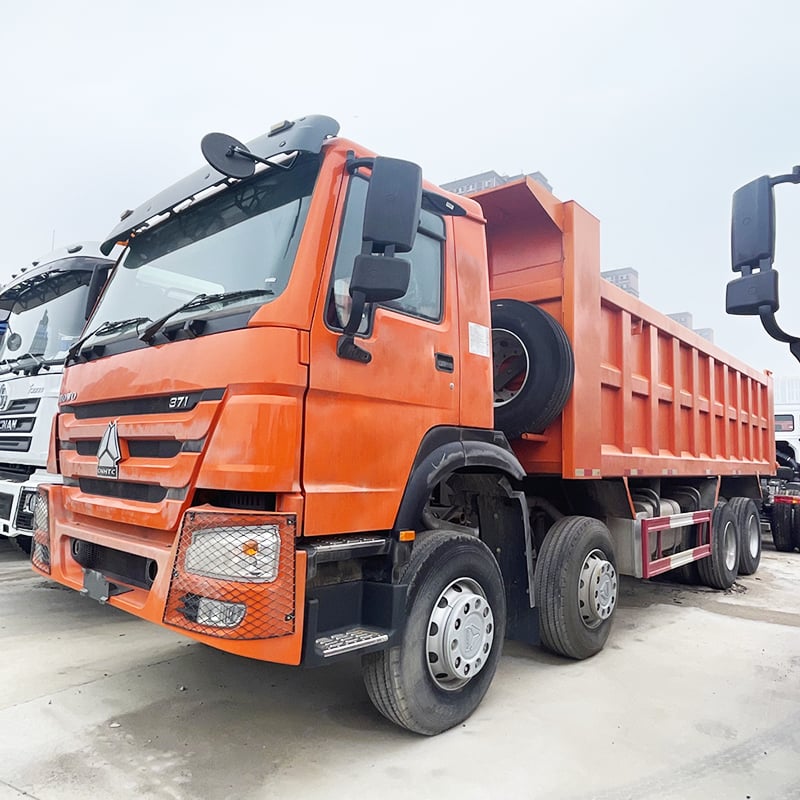
Beoordeel Lasvermoëkapasiteit en Toepassingspasvorm vir Jou Kipperwerktuig vir Verkoop
Pas Askonfigurasie (4x2, 6x4, 8x4) en Grootteklas aan Terreinvereistes aan
Die keuse van die regte as-konfigurasie is die grondslag vir bedryfsdoeltreffendheid. Vir stedelike konstruksie op gepaveerde paaie lewer 'n 4x2-kuipwaens voldoende manoeuvreerbaarheid vir lasse tot 15 ton. In teenstelling daarmee vereis mynbou- en klipgroevebedrywighede 6x4- of 8x4-konfigurasies—ontwerp om 25–40 ton lasse oor onstabiele, ongelyke terrein te hanteer. Hierdie swaaruitrustings versprei die gewig oor addisionele asse, wat die grondruk verminder en die aangryping op steil of gladde hellings verbeter. Dit is noodsaaklik om altyd die vervaardiger se gegradeerde lasvermoë met jou tipiese materiaaldigtheid te vergelyk: aggregaat (bv. gebreekte klip by ongeveer 1,6 t/m³) beslaan minder volume per ton as ligte bouval (ongeveer 0,4–0,8 t/m³), wat direk beïnvloed hoeveel jy wettig en veilig per rit kan vervoer. Velddata toon dat bestuurders 18% minder stabiliteitsvoorvalle ervaar wanneer die askeuse beide die lasgewig en en die terreinhelling in ag neem.
Buite die Geraamde Laaikapasiteit: Werklike Faktore wat Vervoereffektiwiteit en Sikustyd Beïnvloed
Die geraamde laaikapasiteit is net een invoer in produktiwiteitsbeplanning. Werklike vervoereffektiwiteit hang af van laaityd, reisspoed, ontlaai-metodologie en materiaalgedrag. Net die feit van opeengepakte toegangsroeë kan sikustye met tot 30% verleng, ongeag die vrakspesifikasie. Hidrouliese stelsels met uitgooi-sikus onder 25 sekondes presteer beduidend beter as ouer meganismes met ’n 45-sekonde siklus—veral in hoë-frekwensie-bedryf wat 50 of meer ritte per dag doen. Materiaalkoherensie is ook belangrik: klei verhoog ‘dra-bly’-residueu met ongeveer 15% in vergelyking met vryvloeiende gruis, wat geleidelik die effektiewe laaikapasiteit oor opvolgende siklusse verminder. Neem hierdie veranderlikes in ag by u produktiwiteitsvoorspelling—nie net die naamplaatwaardes nie—om uitset per skof akkuraat te modelleer.
Bereken die Totale Besitkoste vir Enige Kippervrak wat Vir Verkoop Beskikbaar Is
Die plakkaatprys van ’n kippertrekkie weerspieël slegs die aanvanklike kapitaaluitgawe. Om die werklike waarde te bepaal, moet die totale eienaarskapskoste (TCO) oor ’n realistiese lewensiklus—gewoonlik vyf jaar—bereken word, met inagneming van brandstofverbruik, onderhoudsfrekwensie en -koste, emissie-gerelateerde nakoming, en reserwe waarde. Hierdie veranderlikes verskil aansienlik tussen BS-VI-, voor-BS-VI- en hibried-aandrywingstelsels.
Brandstof, onderhoud en herverkoopwaarde-afskrywing: BS-VI teenoor voor-BS-VI en hibriedopsies
BS-VI-kippertuig verbruik effens meer brandstof per kilometer as voor-BS-VI-modelle as gevolg van die energiebehoeftes van uitlaatnabehandeling (bv. SCR- en DPF-stelsels), maar dit vereis minder gereelde onderhoud en veroorsaak laer langtermynonderhoudskoste. Hibriedvariantes verminder dieselverbruik met tot 30%, al moet hul hoër aanvanklike belegging teenoor verwagte brandstofsparings en werksiklusse afgewees word. Waardevermindering by herverkoop verskil drasties: voor-BS-VI-eenhede verloor vinniger waarde in streke wat streng emissienorme handhaaf—gewoonlik met 25–30% meer residuwaarde oor vyf jaar as aan BS-VI- of hibriedgelykwaardiges. 'n Robuuste TCO-model sluit plaaslike dieselpryse, gesertifiseerde diensarbeidskoste en streekreëlgeweldige tydlyne in om die laagste lewenssikluskoste te identifiseer—nie net die laagste opsponseringsprys nie.
Verifieer Reguleringsnalewing en Intelligente Tegnologie-klaarheid
Verpligtende Emissienorme (BS-VI, China VI) as Transaksiekwalifiserende Filters
Emissie-sertifisering is die eerste nie-verhandelbare filter wat gebruik word om 'n kipeerder truck vir verkoop te evalueer. In Indië is slegs BS-VI-gesertifiseerde voertuie kwalifiseer vir nuwe registrasie na April 2020; net so is China VI-nakoming verpligtend vir alle nuwe op-pad kommersiële voertuie in China. Die versuim om hierdie sertifisering te verifieer, kan tot weiering van registrasie, operasionele opskorting of kostelike heruitrusting lei—geen van hierdie opsies voeg waarde by nie. Vra altyd na die oorspronklike ARAI (Automotive Research Association of India)-sertifikaat—of sy streekgelykwaardige (bv. CNHTC-sertifisering vir China VI)—en bevestig sy geldigheidsdatum en toepassingsgebied. 'n Ontbrekende, vervalde of nie-ooreenstemmende sertifikaat dui onmiddellik op 'n verhoogde regulêre risiko en verminderde markwaarde.
Telematika, gevorderde bestuurderhulpsisteme (ADAS) en vlootintegrasie: verborge waarde in moderne kippertrokkies wat vir verkoop aangebied word
Benewens regulêre nakoming, word moderne kippertuie toenemend met fabriek-geïntegreerde telematika, gevorderde bestuurderondersteuningsisteme (ADAS) en OEM-vlak vlootbestuurvertoonbaarheid verskaf. Hierdie tegnologieë lewer meetbare ROI: werklike lasmonitering verminder oorbeladingsoortredings met tot 40%; aanpasbare vaarttempobeheer en spoorverlaatwaarskuwings verminder die ongelukfrekwensie met 22% (volgens IRDAI-vlootveiligheidsverslae); en voorspellende onderhoudwaarskuwings verminder onbeplande stilstand met 35%. Hoewel opsioneel, het sulke funksies ‘n korrelasie met ‘n 10–15% laer vyfjaar TCO en beveel dit konsekwent ‘n premie herverkoopprys in. Wanneer u advertensies vergelyk, moet u voorkeur gee aan eenhede met gedokumenteerde, aktiewe telematikabeskrywings en OEM-ondersteunde ADAS-kalibrasie—vermy ná-verkope byvoegings wat nie diepgaande integrasie of sagtewareondersteuning bied nie.
Bepaal die bemarkingswaarde as maatstaf en identifiseer billike pryse vir gebruikte kippertuie wat vir verkoop beskikbaar is
Die vasstel van 'n billike koopprys vereis ankerings aan geverifieerde markdata—nie net lyspryse nie. Begin deur onlangse transaksierekords van ten minste drie onafhanklike bronne te versamel: gesertifiseerde veilingplatforms (bv. Machinio of BidSpotter), handelaarvoorraadargiewe en vlootverwyderingsverslae. Fokus uitsluitlik op vergelykbare items wat ooreenkom met u teiken wat betref ouderdom (±6 maande), odometerlesing (±15%), volledigheid van die onderhoudsgeskiedenis en liggaamstoestand (bv. geen strukturele chassiskrake of skoring aan hidrouliese silinders nie). Gebruik die standaard-residuwaardekurwe as basislyn: die meeste kippervoorraadwaens waardeer met 15–20% in Jaar 1 af, gevolg deur ongeveer 10% jaarliks tot Jaar 5—maar streekgebonde vraag beïnvloed hierdie patroon. Byvoorbeeld, 6×4-kippervoorraadwaens in ysterertsmynbougebiede behou dikwels 7–9% bo die kurwe-waarde, terwyl oorskietende 8×4-eenhede in versadigde infrastruktuurmarkte dikwels 5–8% onder die kurwe verkoop. Trek altyd die beraamde koste vir wagende kritieke items af—soos bandvervanging, remherstel of hidrouliese seelstelle—voordat u 'n finale aanbod doen. En verifieer die toestand noukeurig: ondersoek die motorure (nie net die odometer nie), kyk vir chassiskorrosie langs lasnaaie, en toets die reaksiespoed van die hidrouliese hefwerking onder gedeeltelike sowel as volledige belading. Hierdie dissiplinêre, data-gegronde benadering voorkom emosionele oorbetalings en verseker 'n bewysbare billike waarde.
Algemene vrae (VVK)
Watter as-konfigurasie moet ek kies vir stedelike konstruksie?
Vir stedelike konstruksie op gepaveerde paaie is 'n 4x2-kippertrekkie ideaal. Dit bied manöuvreerbaarheid en kan lasse tot 15 ton hanteer.
Hoekom is BS-VI-nalewing noodsaaklik vir nuwe kippertrekkies?
BS-VI-nalewing verseker dat u kippertrekkie wettig geregistreer en bedryf kan word in streke waar streng emissienorme van toepassing is. Nie-nalewing kan lei tot die weiering van registrasie of bedryfsopskorting.
Hoe verbeter moderne telematika en ADAS die doeltreffendheid van kippertrekkies?
Telematika verskaf werklike lasbewaking en voorspellende onderhoudwaarskuwings, terwyl ADAS-funksies soos aanpasbare vaartbeheer die frekwensie van ongelukke verminder, wat produktiwiteit verbeter en die totale eienaarskostes (TCO) verlaag.
Watter faktore beïnvloed die herverkoopwaarde van kippertrekkies?
Die herverkoopwaarde hang af van emissienalewing, aandryflyn-tipe (bv. BS-VI of halfdriewiel), en markvraag. Voor-BS-VI-modelle neem gewoonlik vinniger in waarde af in streke met streng emissienorme.
Hoe kan ek die toestand van 'n gebruikte kippertrekkie bevestig?
Trek die motorure in, kyk vir roes op die onderstel langs lasnaaie, en toets die hidrouliese hefreaksie onder las. Verder moet u die onderhoudsgeskiedenis bevestig en verseker dat daar geen strukturele probleme is nie.
Tabel van inhoud
- Beoordeel Lasvermoëkapasiteit en Toepassingspasvorm vir Jou Kipperwerktuig vir Verkoop
- Bereken die Totale Besitkoste vir Enige Kippervrak wat Vir Verkoop Beskikbaar Is
- Verifieer Reguleringsnalewing en Intelligente Tegnologie-klaarheid
- Bepaal die bemarkingswaarde as maatstaf en identifiseer billike pryse vir gebruikte kippertuie wat vir verkoop beskikbaar is
-
Algemene vrae (VVK)
- Watter as-konfigurasie moet ek kies vir stedelike konstruksie?
- Hoekom is BS-VI-nalewing noodsaaklik vir nuwe kippertrekkies?
- Hoe verbeter moderne telematika en ADAS die doeltreffendheid van kippertrekkies?
- Watter faktore beïnvloed die herverkoopwaarde van kippertrekkies?
- Hoe kan ek die toestand van 'n gebruikte kippertrekkie bevestig?