 EN
EN
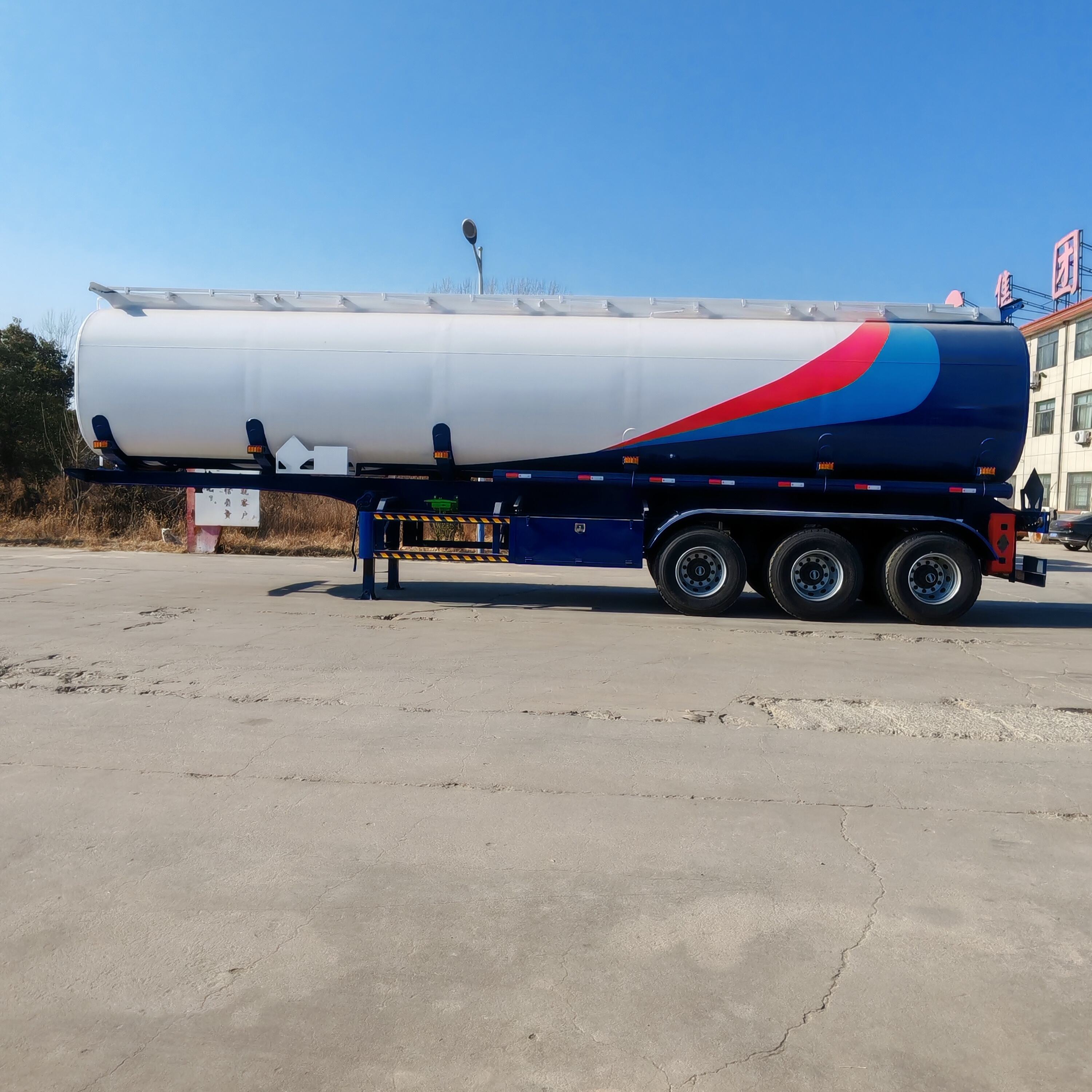
markuitsig en strategiese vraagdrywers vir petroleumtankwaens vir 2026
Globale en streeksgewyse groeitendense: KAGP, raffinadie-uitset en uitbreiding van brandstofverspreiding
Die wêreldwye tenkwa-rolmark word voorspel om deurlopend te groei tot 2033, aangedryf deur toenemende raffinadie-uitset en die dringende behoefte om verouderde brandstofverspreidingsinfrastruktuur te moderneer. Soos ontluikende ekonomieë industrialiseer—veral oor die Azië-Stille Oseaan-streek en die Midde-Ooste—versnel toevoegings aan raffinadiekapasiteit direk die vraag na betroubare, hoë-kapasiteit petroleumtenkwa-afsleepwaens. In volwasse markte soos Noord-Amerika en Wes-Europa versnel vlootvervangingsiklusse: verouderde toerusting laat onderhoudskoste styg terwyl dit nie meer voldoen aan ontwikkelende emissie- en veiligheidsstandaarde nie. Terselfdertyd het kettingbestandheid ‘n strategiese prioriteit geword wat bedrywers dwing om afsleepwaens te kies wat vir duurzaamheid, lekweerstand en geïntegreerde veiligheidstelsels ontwerp is. Hierdie saamloop van faktore herskik aankoopprioriteite—met ‘n skuif van fokus van die laagste aanvanklike koste na langtermyn bedryfsdoeltreffendheid, gereedheid vir nakoming van regulasies en totale lewensikluswaarde.
Hoe Petroleumprysvolatiliteit Invloed Uitoefen op Aankooptyd en Vlootmoderniseringsiklusse
Die wisselvalligheid in die prys van rou olie tree op as sowel 'n beperking as 'n katalisator vir vlootbeleggingsbesluite. Tydens langdurige periodes van lae pryse verskuif vervoerders dikwels kapitaaluitgawes—wat aanhangwaentuig-opgraderings uitstel en onbedoeld die dienslewe van minder-doeltreffende eenhede verleng. Dit kan brandstofdoeltreffendheid verminder, onderhoudsfrekwensie verhoog en reguleringsblootstelling met tyd verhoog. Daarenteen verbeter volgehoue pryssverhogings vervoerders se kontantvloei en skep gunstige toestande om in moderne aluminium- of hibriedmateriaal-aanhangers te beleen wat meetbare brandstofbesparings (8–12%) en lasvermeerderings lewer. Slim bedryfsvoerders gebruik prysholle nie om uit te stel nie—maar om finansieringsterme vas te lê, voordeel te trek uit vooraf bepaalde leweringsperiodes en aankope te synchroniseer met voorspelbare vervangingsvensters. Daar is toenemend buigsame huurmodelle wat eienaarskap aanvanklik vervang, wat skaalbaarheid en opsies vir tegnologiese opdaterings bied sonder groot balansstaatverpligtinge. Die veerkragtigste vlotte behandel pryssignale as insette—nie as ontlaaiers nie—vir dissiplineerde, data-gedrewe modernisering wat in lyn is met totale koste van eienaarskap (TCO) en nakomingstrategieë.
Totale Besitkoste en ROI-berekening vir Petroltankwaens
Ontbinding van TCO: Aankoop, brandstof, onderhoud, waardevermindering en regulêre opgraderings
Totale besitkoste (TCO) vir 'n petrol-skeepswarenwag strek verder as net die prys op die etiket—en 'n verkeerde beoordeling daarvan is die hoofrede vir suboptimale aankoop. Aankoopkoste wissel van $80 000 tot $150 000, afhangende van kapasiteit, materiaal en spesifikasiekompleksiteit. Brandstof bly steeds die grootste herhalende uitgawe: ligte aluminium aanhangers verminder brandstofverbruik met 8–12% in vergelyking met vergelykbare staal-eenhede, wat kumulatiewe besparings oor 'n lewensduur van 10 jaar lewer. Jaarlikse onderhoud—insluitend rem-, band- en tenk-inspeksies—gemiddeld $4 000–$6 000, terwyl waardevermindering in Jaar 1 'n hoogtepunt bereik by ongeveer 20%, voor dit daarna stabiliseer by 10–15% per jaar. Reguleringsnakoming voeg nog 'n $3 000–$5 000 by oor die lewensduur van die aanhanger, insluitend PHMSA-verpligte dampherstelopgraderings, noodafsluitkleppe en periodieke integriteitstoetsing. Die integrasie van hierdie komponente lewer 'n realistiese, werkbaar TCO-grondslag—essentieel vir die beoordeling van die werklike ROI en die regverdiging van belegging in hoër-spesifikasie bates.
Werklike ROI-verwysingspunte: Terugverdiensperiodes, IRR-waardes en prestasiedrempels (2024–2026)
ROI vir petrol-trekkertreinwaens word bereken as (netto inkomste gegenereer minus TCO) ÷ TCO. Bedryfsverwysingswaardes vir 2024–2026 toon terugverdiensperiodes van 3 tot 5 jaar vir vlootte wat jaarliks ≥80 000 myl bedryf—wat verder verkort word vir dié wat liggewigontwerpe en geoptimaliseerde roetes benut. Interne opbrengskoersse (IRR) lê gewoonlik tussen 12% en 18%, met toppresterende vervoerders wat 20%+ behaal deur duursame, korrosiebestande materiale te kombineer met proaktiewe onderhoud- en nakomingsprogramme. Sleutel prestasiedrempels sluit in brandstofbesparings >10%, onderhoudskoste < $0,05 per myl, en nakomingsoortredingskoers minder as 2% van inspeksies. Teen 2026 word dit voorspel dat vlootte wat TCO-modellering in hul aankoopwerkvelle integreer—en wat lasvermoëdoeltreffendheid, brandstofekonomie en reguleringsklaarheid prioriteer—gemiddelde terugverdiensperiodes met 15–20% sal verkort. Dit maak nou stringent TCO-analise nie net ’n finansiële oefening nie, maar ’n kernmededingende vermoë.
Ontwerp en Materiaaldoeltreffendheid: Maksimeer Laaikapasiteit en Verminder Bedryfskoste
Aluminium teenoorgestel aan Ryswaterbestendige Staal Petroltankwaens: Gewig, Laaikapasiteitswins en Lewenssiklusbrandstofbesparings
Materiaalkeuse is 'n beslissende faktor sowel vir laaikapasiteit as vir langtermyn-ekonomie. Aluminium petrol-trekkers weeg gewoonlik 2 000–3 000 pond minder as roestvrystaal-ewewigtiges met identiese kapasiteit—wat direk vertaal word na addisionele produk wat per rit vervoer word, sonder om die wettige totale voertuiggewigbeperkings te oorskry. Oor 'n 10-jaar lewensiklus lewer hierdie gewigvoordeel 'n kumulatiewe brandstofbesparing van 5–10% en verminder slytage-verwante onderhoud, veral op remme en bande. Alhoewel roestvrystaal 'n beter weerstand bied teen aggressiewe chemikalieë en impakskade—wat dit ideaal maak vir spesialiteits- of multi-produk vlootte—moet sy hoër aanvanklike koste en gewig regverdig word deur spesifieke bedryfsbehoeftes. Vir die meeste toegepaste brandstofvervoertoepassings lewer aluminium die sterkste balans van laaiverhoging, brandstofdoeltreffendheid, korrosiebestandheid en reseduele waarde. Vlootbestuurders moet materiaalkeuse evalueer deur 'n volledige lewensiklus-lens: daarby moet brandstofbesparings, inkomsteverbetering as gevolg van groter laai, onderhoudskoste en herverkoopwaarde in ag geneem word—nie net die aankoopkoste nie.
Reguleringsnalewing en risikomindering as ROI-vermenigvuldigers
FMCSA-, PHMSA- en DOT-vereistes: Voorafse belegging teenoor vermyde boetes, stilstand en reputasieskade
Nalewing van FMCSA-, PHMSA- en DOT-voorskrifte is nie meer ’n agterkantoor-funksie nie — dit is ’n kwantifiseerbare ROI-aandrywer. Voorafbeplanning en begroting is nodig vir vooruitgaande beleggings in geseënde noodafsluitstelsels, dampherwinningbeheer en gedokumenteerde inspeksieprotokolle. Nie-nalewing het egter baie hoë, kumulatiewe koste: PHMSA-boetes oorskry nou gereeld $100 000 per doelbewuste skending; padkant-uit-dienst-bevele laat inkomste-genererende bedrywighede vir dae stil; en ’n enkele Klasse A-gevaarlike-materiale-voorval kan versekeringspremieverhogings, kontrakseindigings en langdurige reputasieskade meebring. Proaktiewe nalewing — wat op veiligheidskenmerke wat reeds in die ontwerp ingebou is, en ouditeerbare onderhoudsrekords berus — lei gewoonlik tot ’n 3× tot 5× terugverdiening op belegging binne twee jaar. Hierdie ROI kom nie as inkrementele inkomste nie, maar as vermyde boetes, ononderbroke uitsendings, laer versekeringspremies en versterkte kliëntevertroue. In 2026 en daarby, is regulêre gereedheid nie ’n kostesentrum nie — dit is die fondament van vlootweerstand en winsgewendheid.
VEE
Watter faktore dryf die vraag na petroleum-trekkertreinwaens?
Globale raffinaderiekapasiteitsuitbreidings, vervanging van ou vlootte en ’n toegeneemde fokus op voorsieningskettingdurabiliteit en nakoming van regulasies is die primêre vraagdrywers vir petroleum-trekkertreinwaens.
Hoe beïnvloed olieprysvolatieliteit vlootmodernisering?
Pryste volatieliteit kan beleggings in vlootopgraderings tydens lae-prysperiodes uitstel, maar volgehoue prysverhogings verbeter die kontantvloei vir vervoerders om in gevorderde en brandstofdoeltreffende trekkertreinwaens te beleg.
Wat is die totale besitkoste (TCO) vir petroleum-trekkertreinwaens?
Die TCO sluit aankoop-, brandstof-, onderhouds-, waardevermindering- en nakomingskoste in. Brandstofdoeltreffendheid en liggewig-materiale beïnvloed aansienlik die algehele lewenssikluskoste.
Hoe vergelyk aluminium- en roestvrystaal-trekkertreinwaens?
Aluminium-trekkertreinwaens is ligter en brandstofdoeltreffender, maar kan dalk nie die chemiese weerstand van roestvrystaal-trekkertreinwaens hê nie. Operasionele behoeftes bepaal die materiaalkeuse.
Hoekom is wetgewende nakoming noodsaaklik vir vloot-ROI?
Wetgewende nakoming verminder boetes en stilstand, beskerm die vloot se reputasie en voorkom duur voorvalle, en dien dus sowel as 'n finansiële as 'n bedryfsnodwendigheid.
Tabel van inhoud
- markuitsig en strategiese vraagdrywers vir petroleumtankwaens vir 2026
- Totale Besitkoste en ROI-berekening vir Petroltankwaens
- Ontwerp en Materiaaldoeltreffendheid: Maksimeer Laaikapasiteit en Verminder Bedryfskoste
- Reguleringsnalewing en risikomindering as ROI-vermenigvuldigers
-
VEE
- Watter faktore dryf die vraag na petroleum-trekkertreinwaens?
- Hoe beïnvloed olieprysvolatieliteit vlootmodernisering?
- Wat is die totale besitkoste (TCO) vir petroleum-trekkertreinwaens?
- Hoe vergelyk aluminium- en roestvrystaal-trekkertreinwaens?
- Hoekom is wetgewende nakoming noodsaaklik vir vloot-ROI?